United Kingdom · British Brutalism
LONDONBrutalist Architecture · 1950–1980
Scroll ↓
United Kingdom · British Brutalism
Scroll ↓
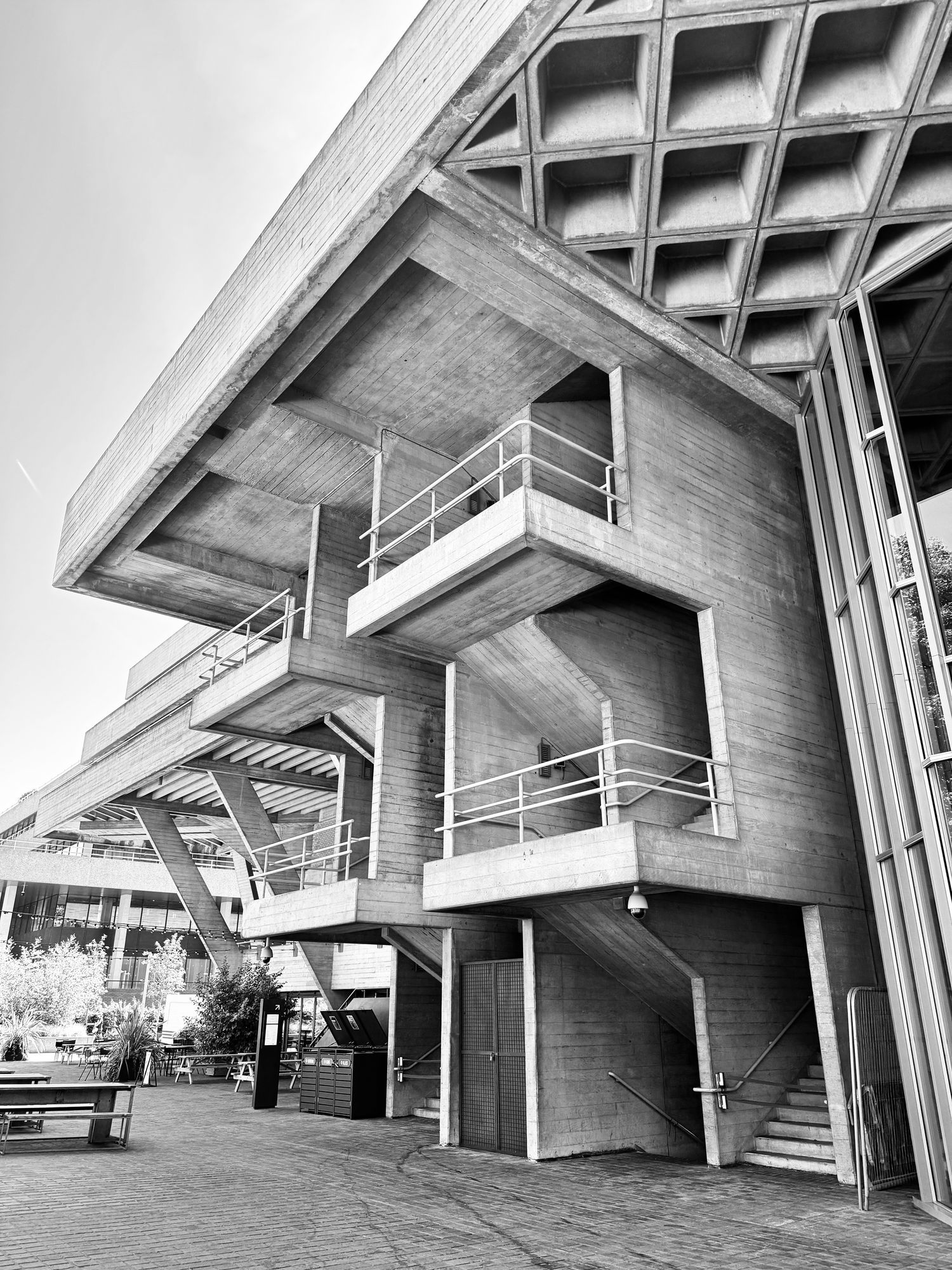
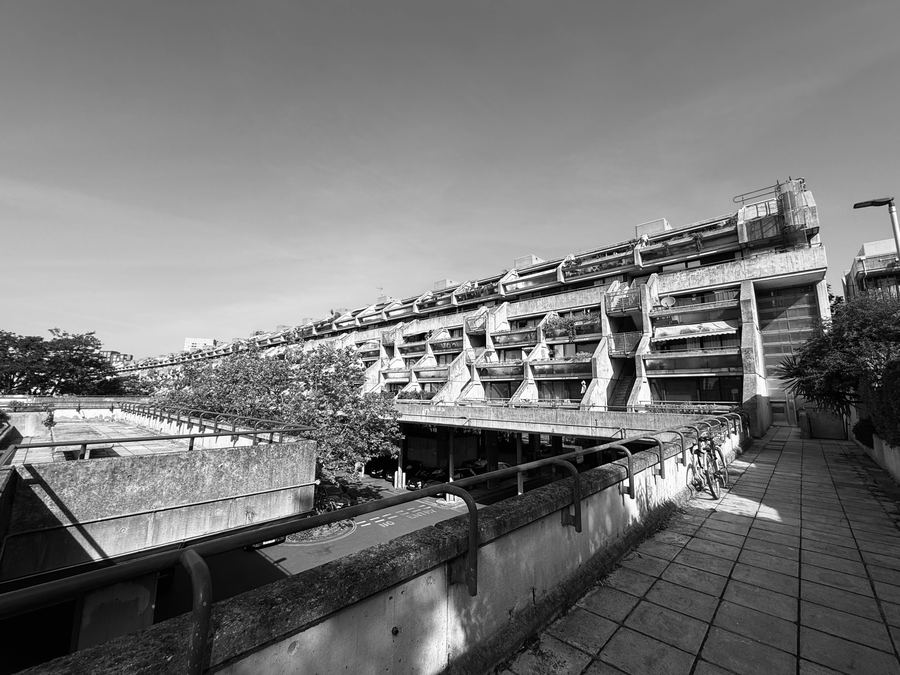
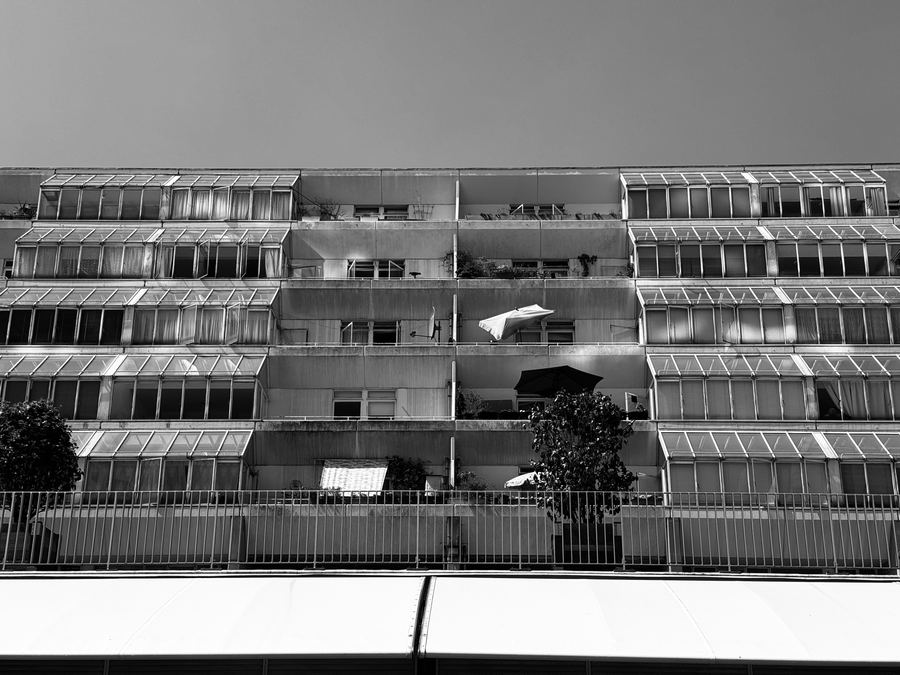
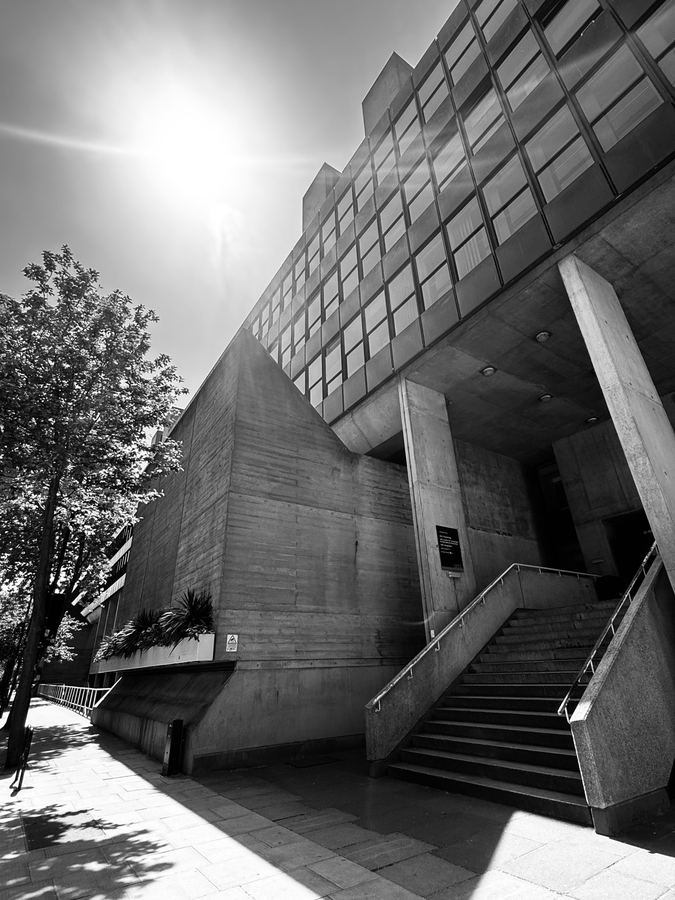
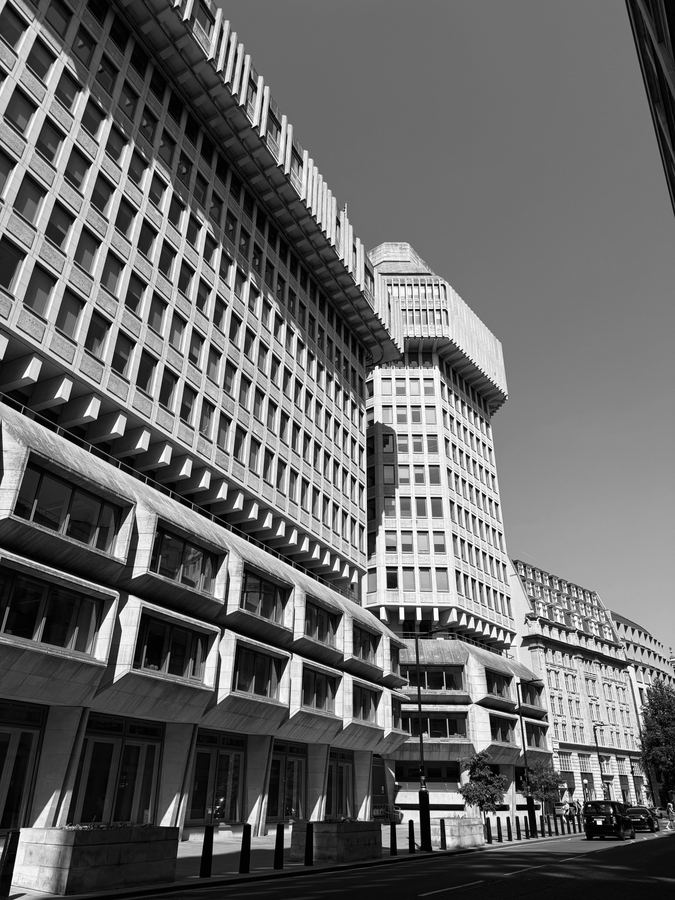
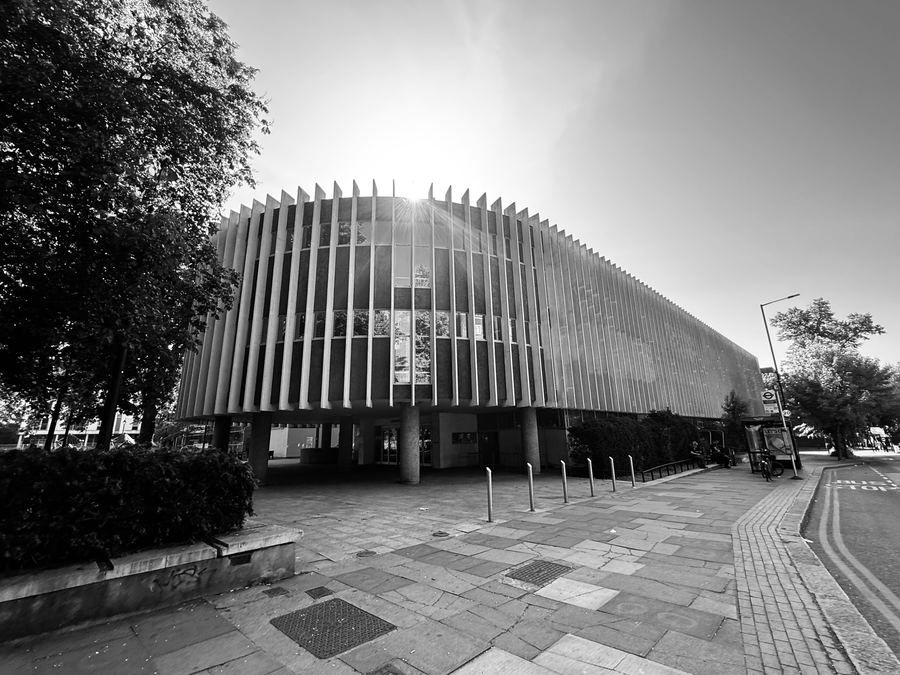
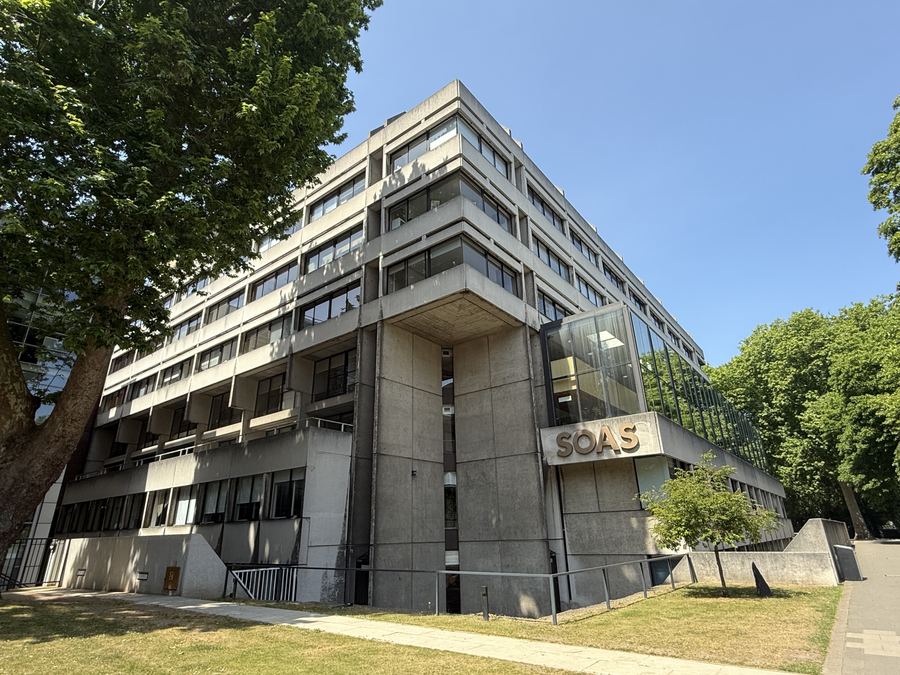
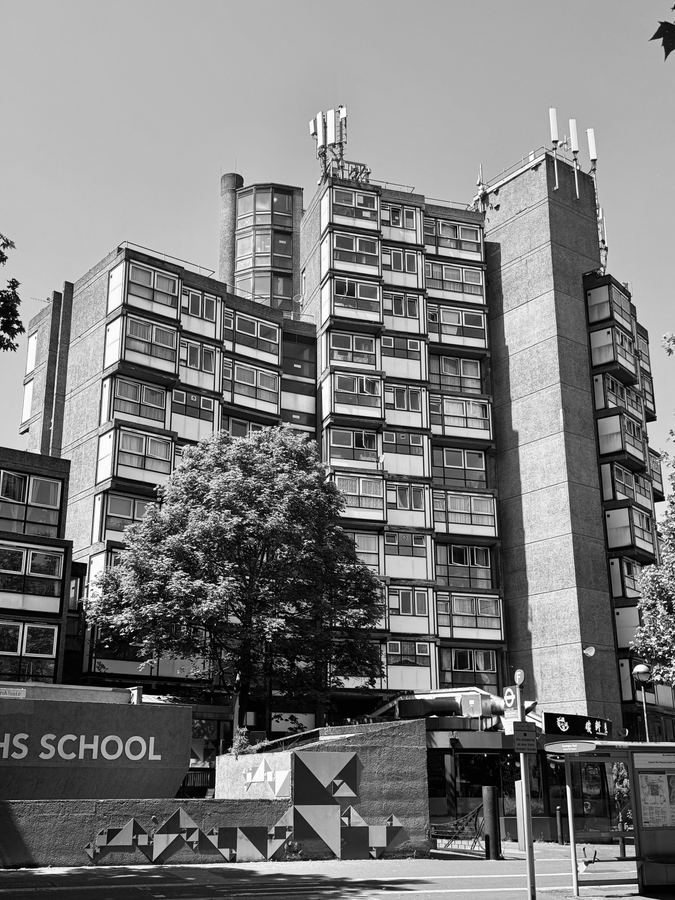
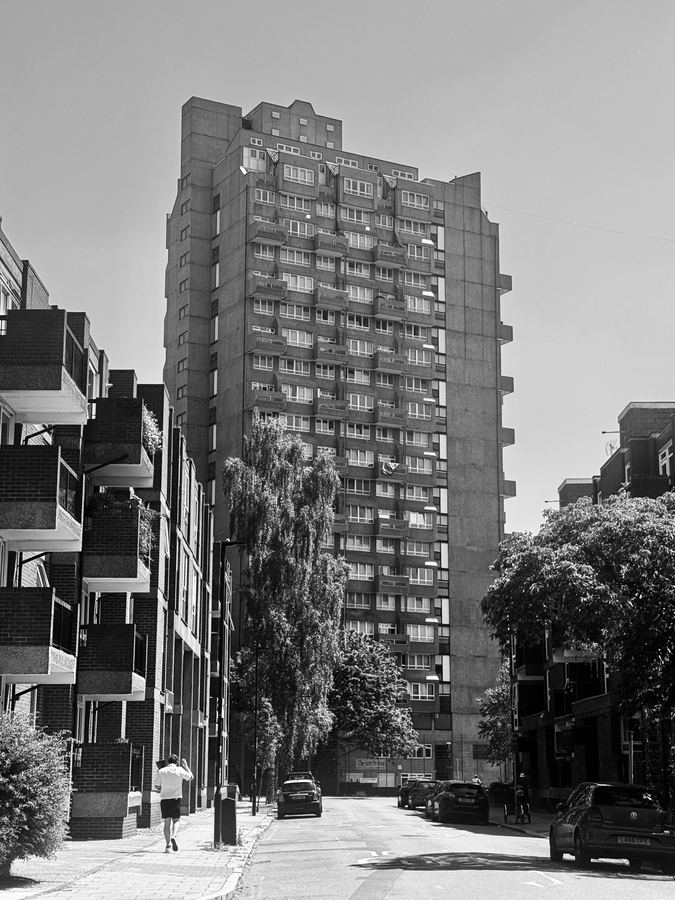
British Brutalism came out of the welfare state. In the decades after 1945, London's public architecture — housing estates, universities, arts centres — was built at public expense for a public purpose, and the material was béton brut: concrete left rough and unfaced, still showing the grain of the timber it was cast against. The term New Brutalism was coined here, in the arguments between Alison and Peter Smithson and the critic Reyner Banham.
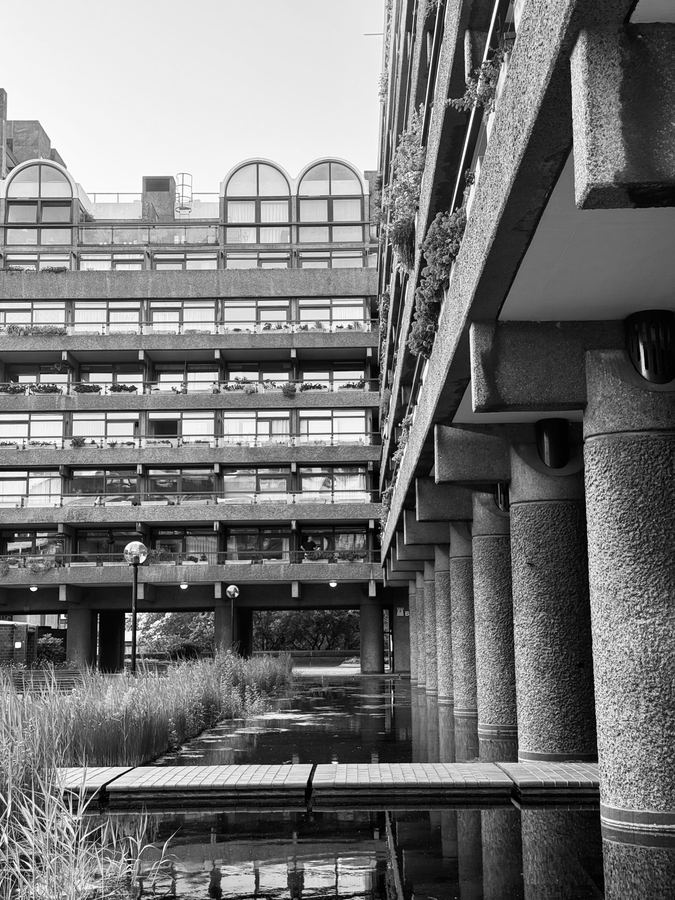
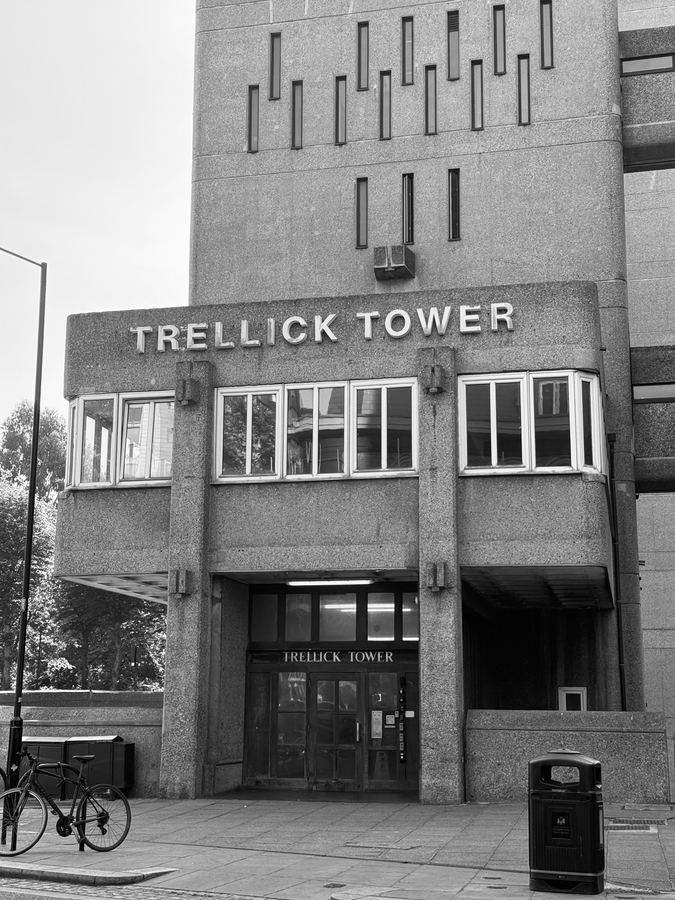
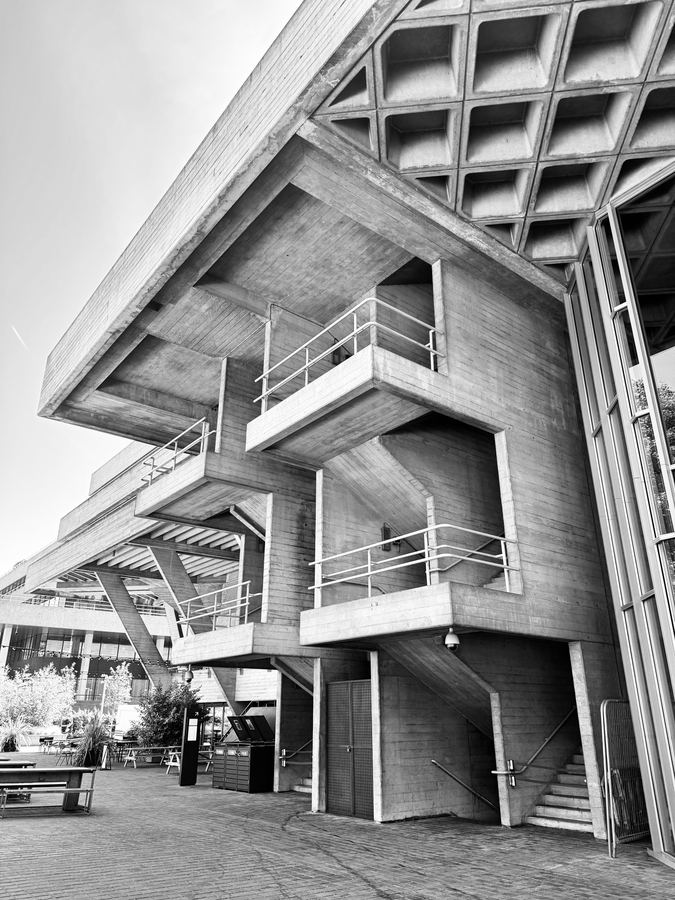
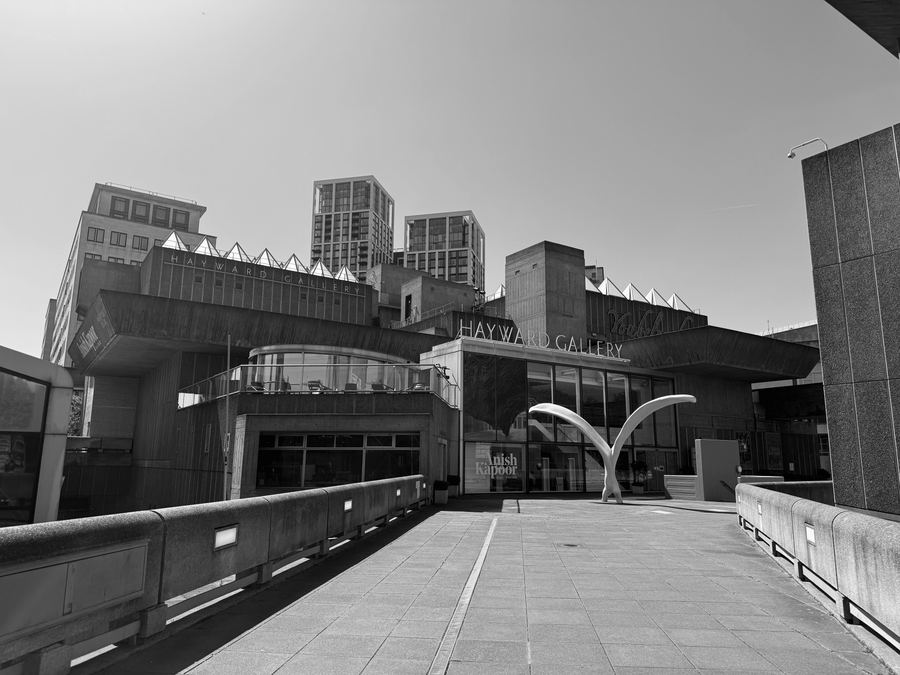
The results divided opinion from the start and still do. The Barbican, the National Theatre, the Hayward Gallery, Ernő Goldfinger's Trellick Tower — each has been called both a masterpiece and an eyesore, each has been listed and threatened, gentrified and demolished. London's brutalist buildings are among the most photographed in the world, and among the most misunderstood.
Brutalist architecture in London is unusually easy to visit — the Barbican, the South Bank and Trellick Tower are public or semi-public spaces that anyone can walk through, for free. This site documents them as they are actually used, not as show pieces.
01 / 12
02 / 12
03 / 12
04 / 12
05 / 12
06 / 12
07 / 12
08 / 12
09 / 12
10 / 12
11 / 12
12 / 12