Poland · Warsaw & Wroclaw
POLANDBrutalism & Communist-era Architecture · 1950–1989
Scroll ↓
Poland · Warsaw & Wroclaw
Scroll ↓
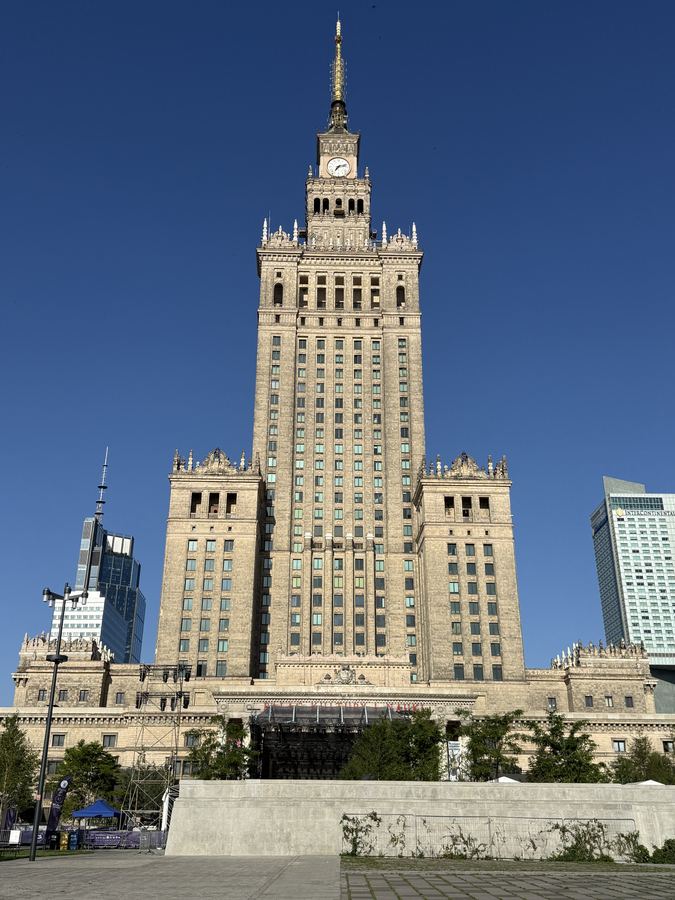
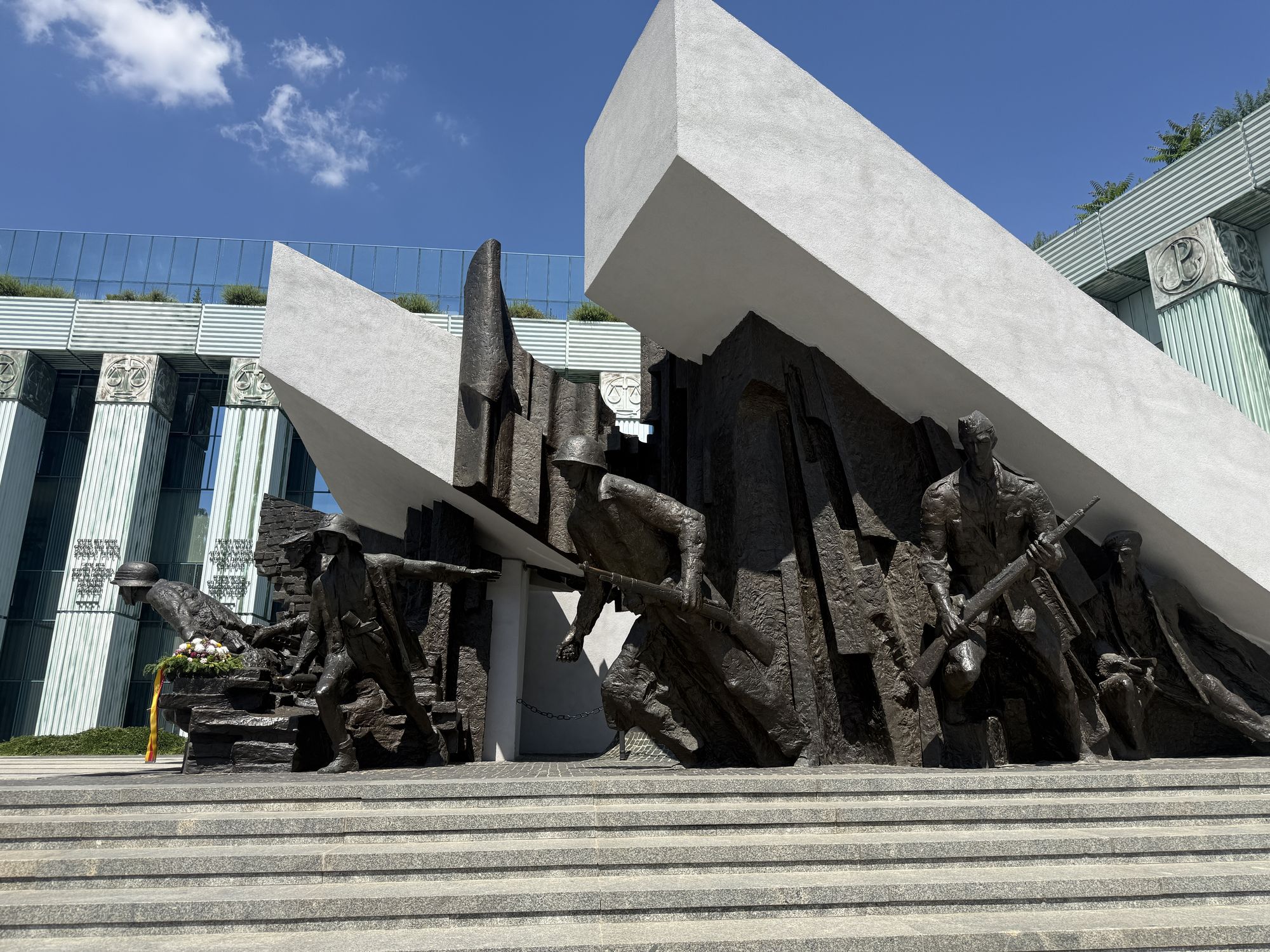
Warsaw was destroyed more completely than any other European capital — by the Ghetto Uprising of 1943, the Warsaw Uprising of 1944, and the systematic demolition that followed. What replaced it was built under a socialist state: first the Palace of Culture and Science, Stalin's gift to the Polish people, and the socialist realism of the early 1950s; then, after the political thaw of 1956, a freer and more experimental modernism.
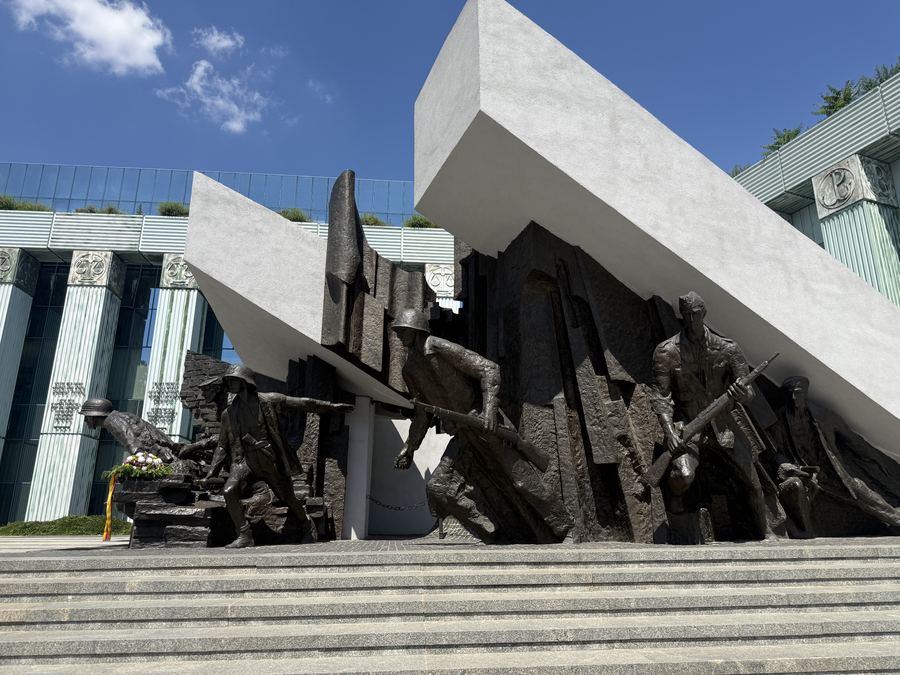
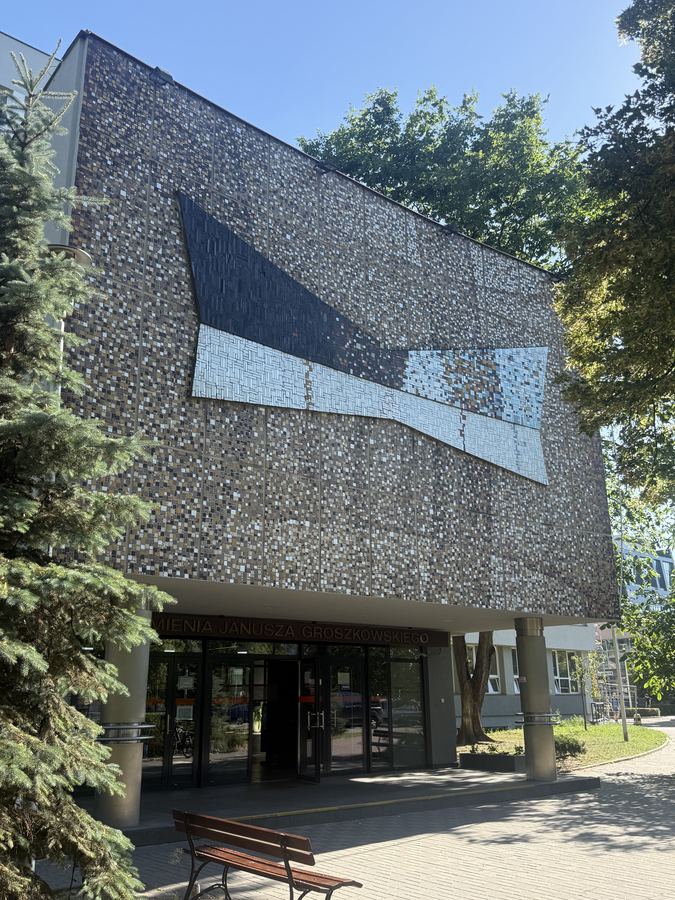
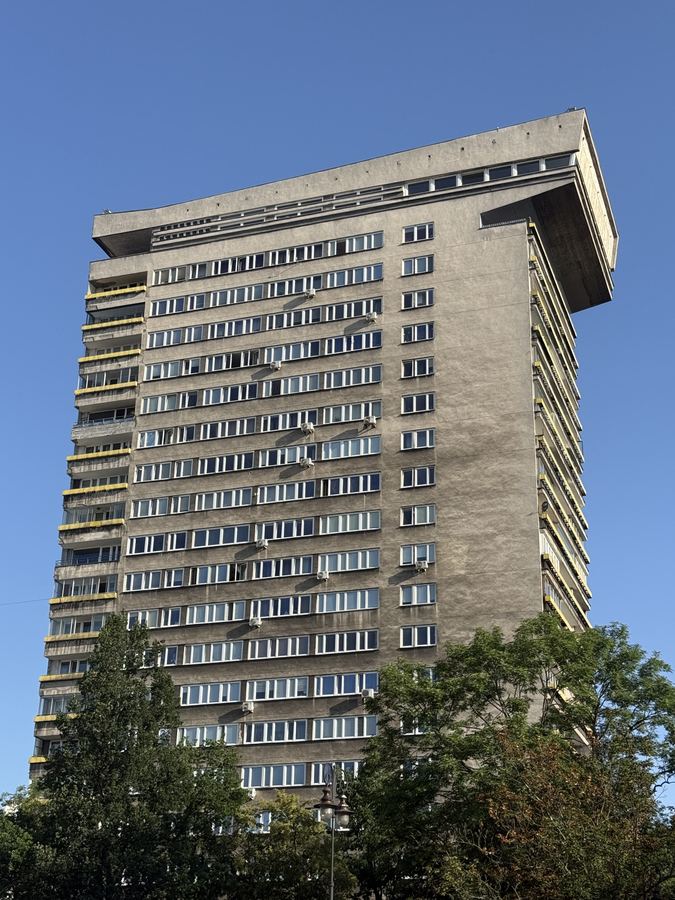
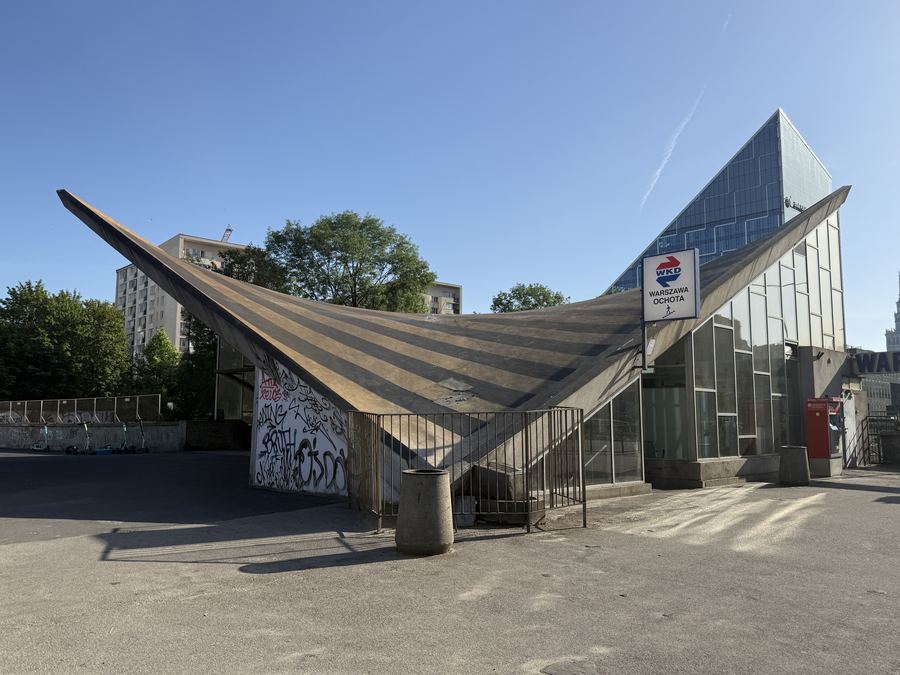
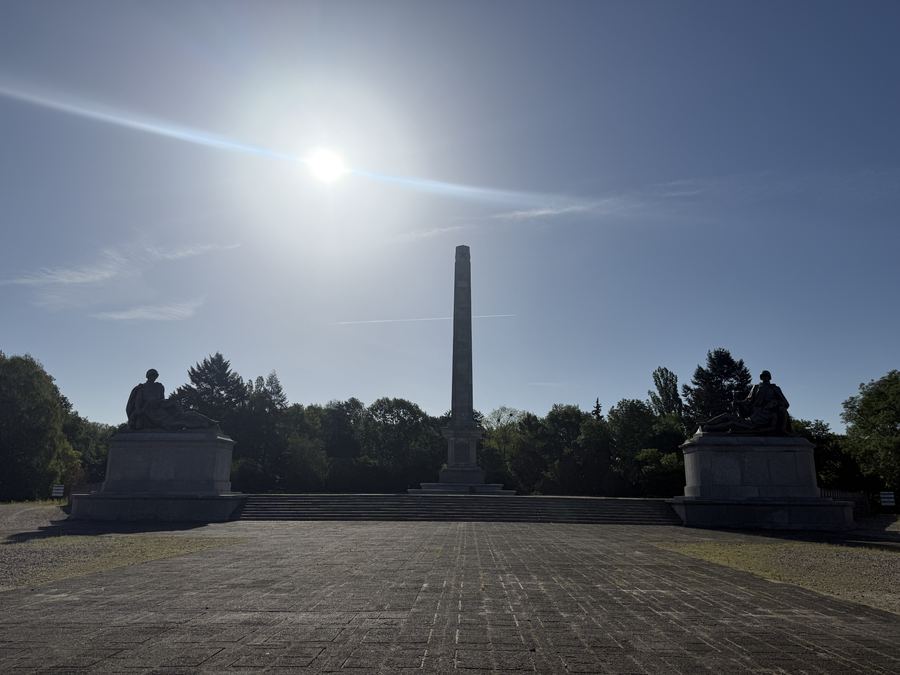
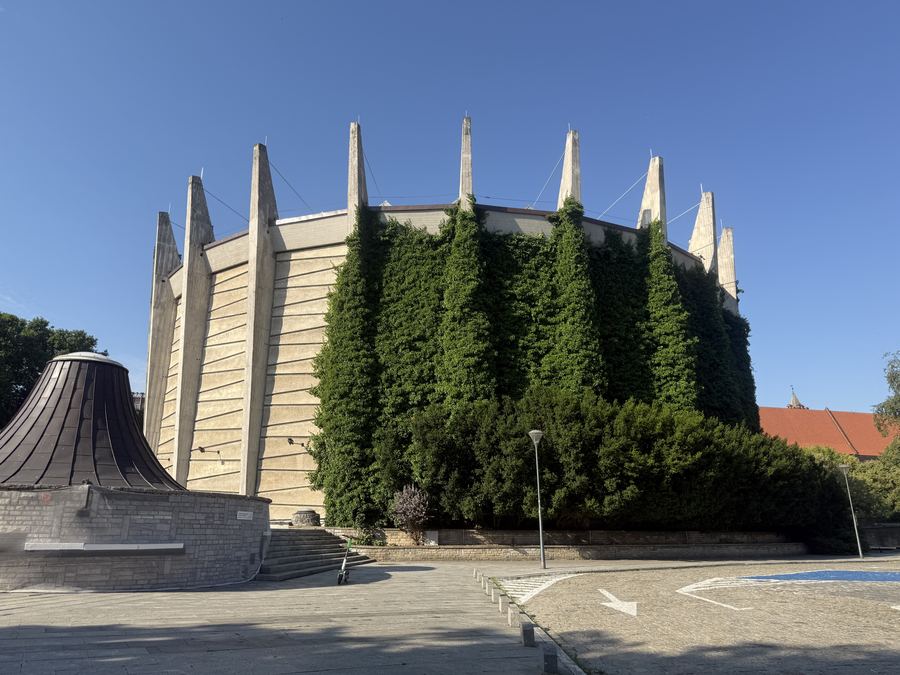
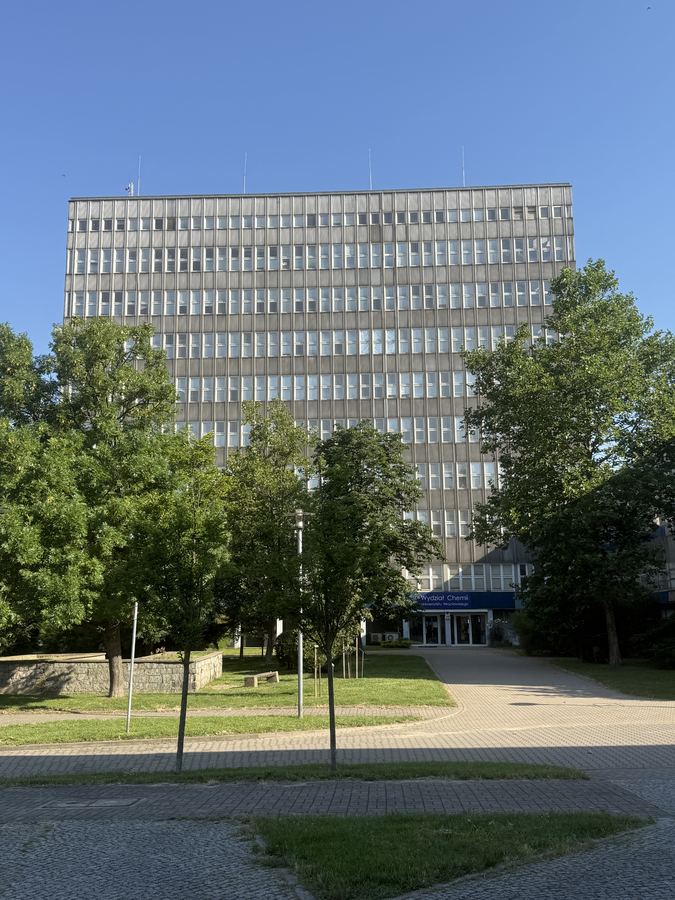
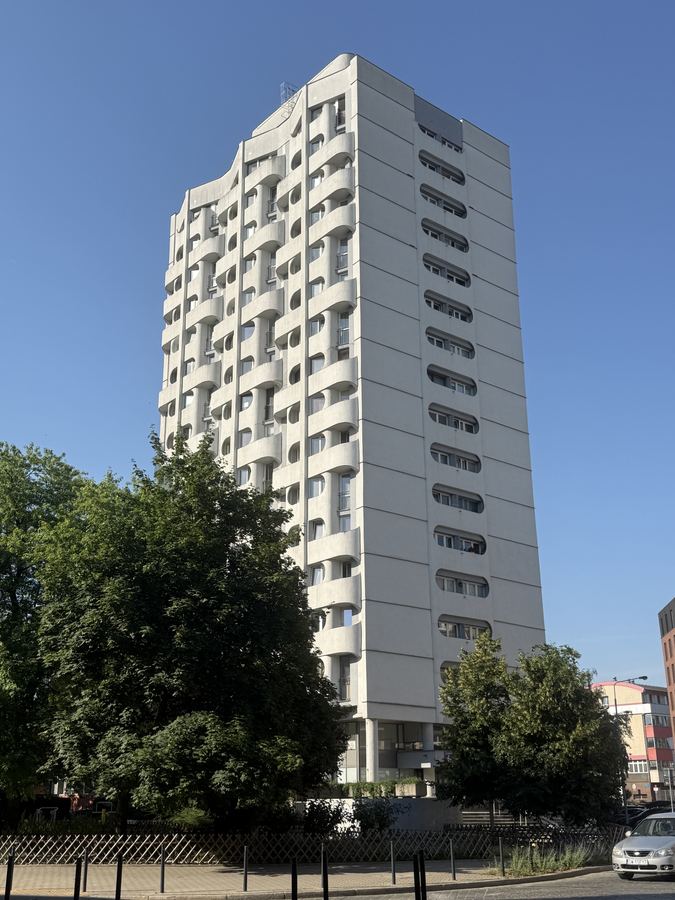
That later period produced most of the buildings documented here — the Warsaw Uprising Monument, Ochota station, the university faculties — and in Wrocław the residential towers known as Wrocławski Manhattan. Polish postwar architecture is unusually varied because the politics kept changing, and each shift left its own buildings behind.
Communist architecture in Warsaw and Wrocław is well signposted for architecture tourism, but the buildings worth the detour are rarely the famous ones — the university faculties, the suburban stations and the housing estates carry the period more honestly than the Palace of Culture.