Romania · Ceausescu-Era Modernism
Romania · Ceausescu-Era Modernism
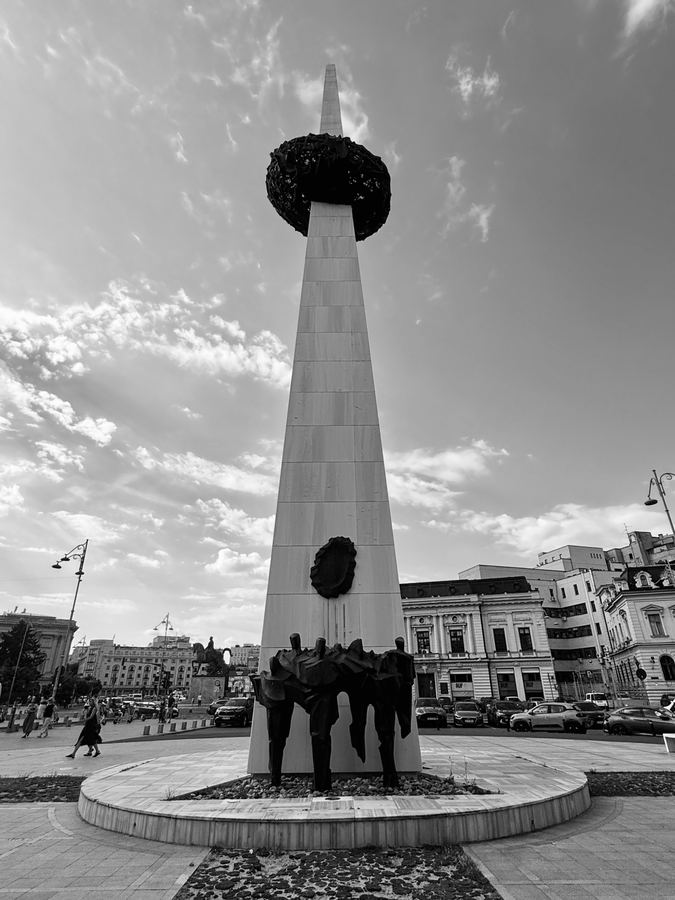
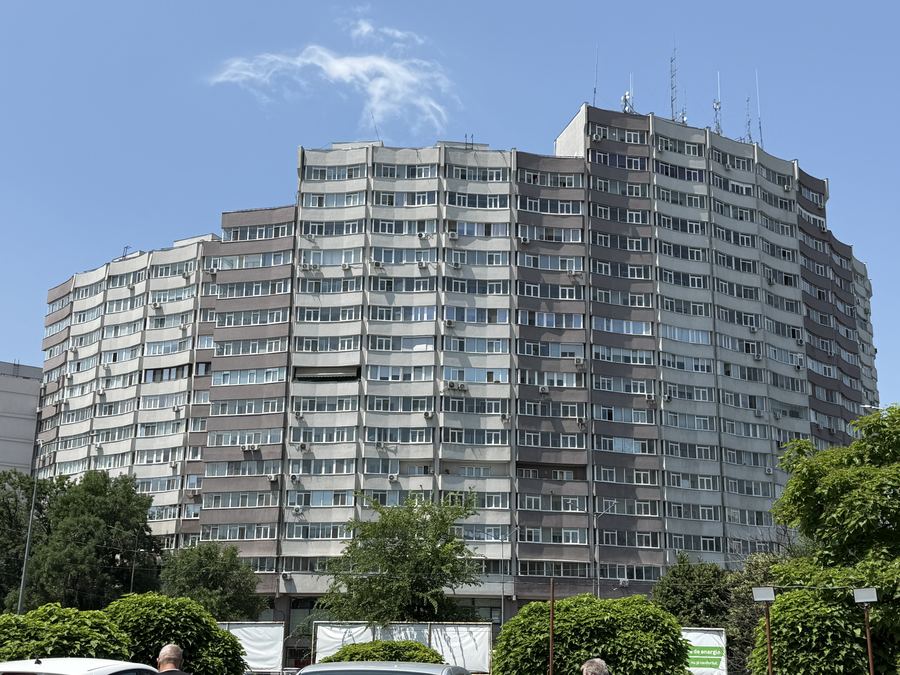
Bucharest is the clearest case in Europe of a city rewritten by political will. Under Nicolae Ceaușescu's programme of sistematizare — systematisation — roughly a fifth of the historic centre was demolished during the 1980s. Churches, hospitals and entire neighbourhoods were destroyed, or in a few cases physically moved on rails, to clear ground for the Civic Centre and the boulevard leading to it.
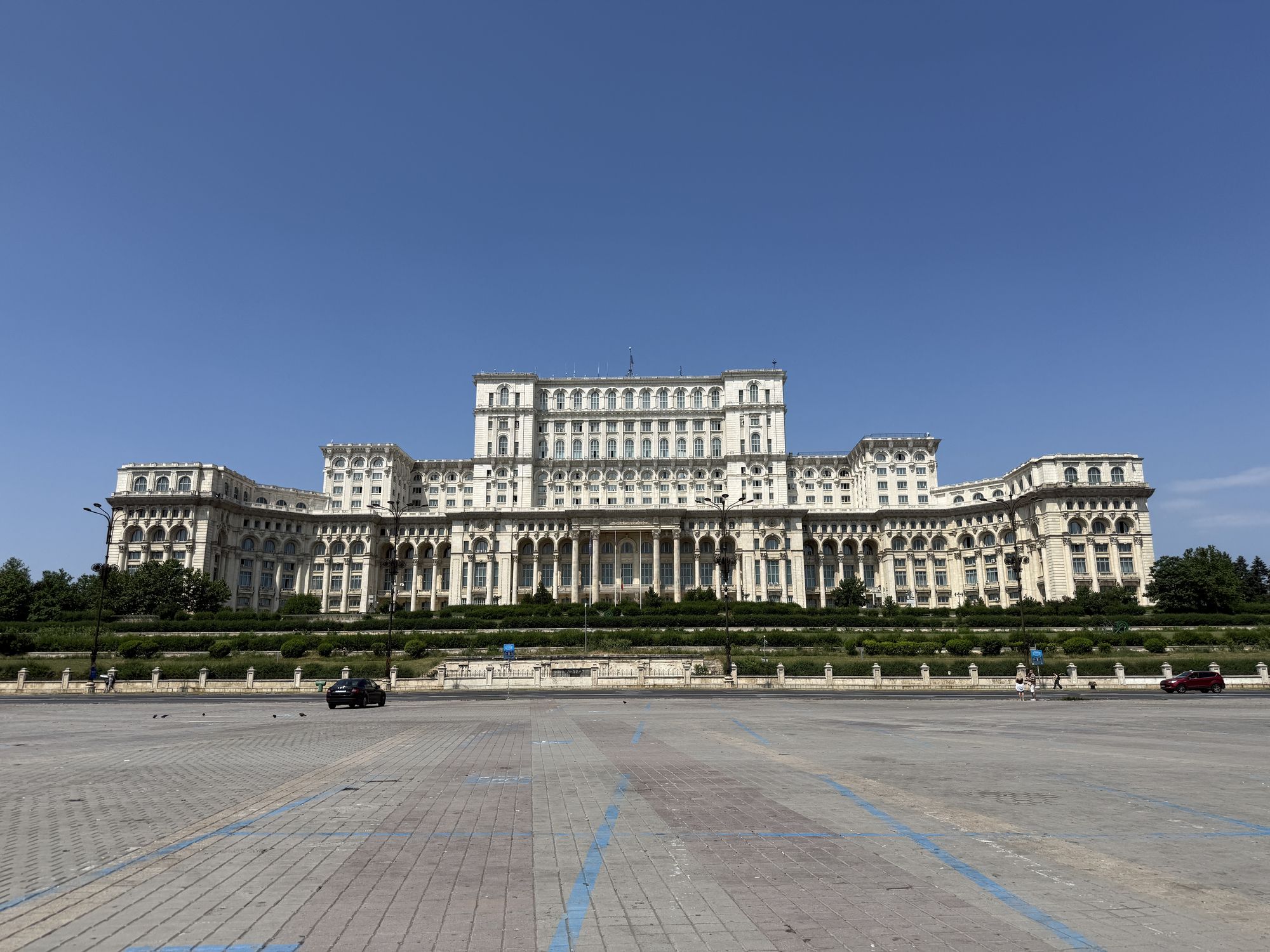
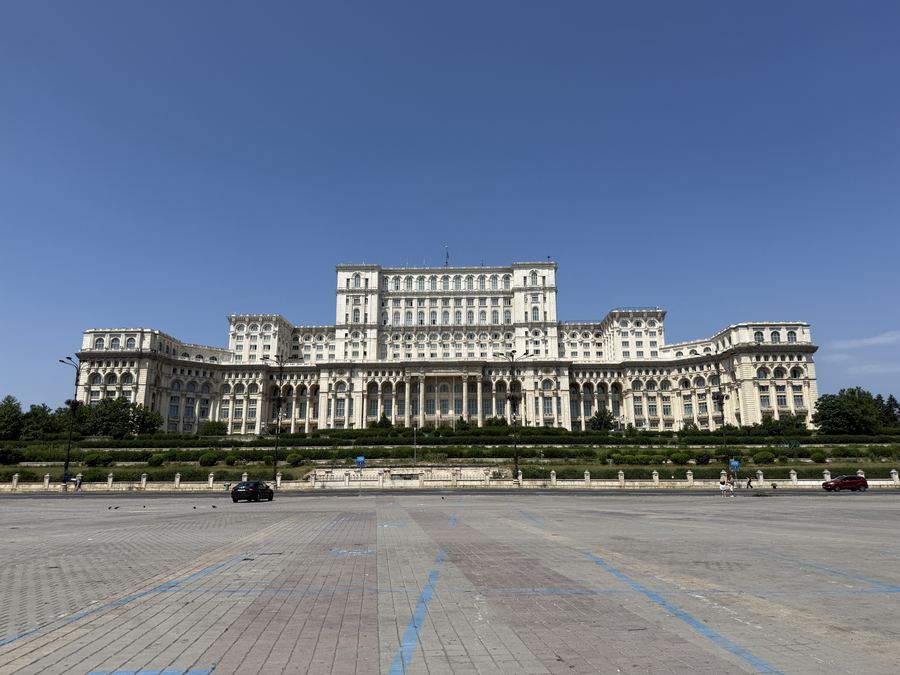
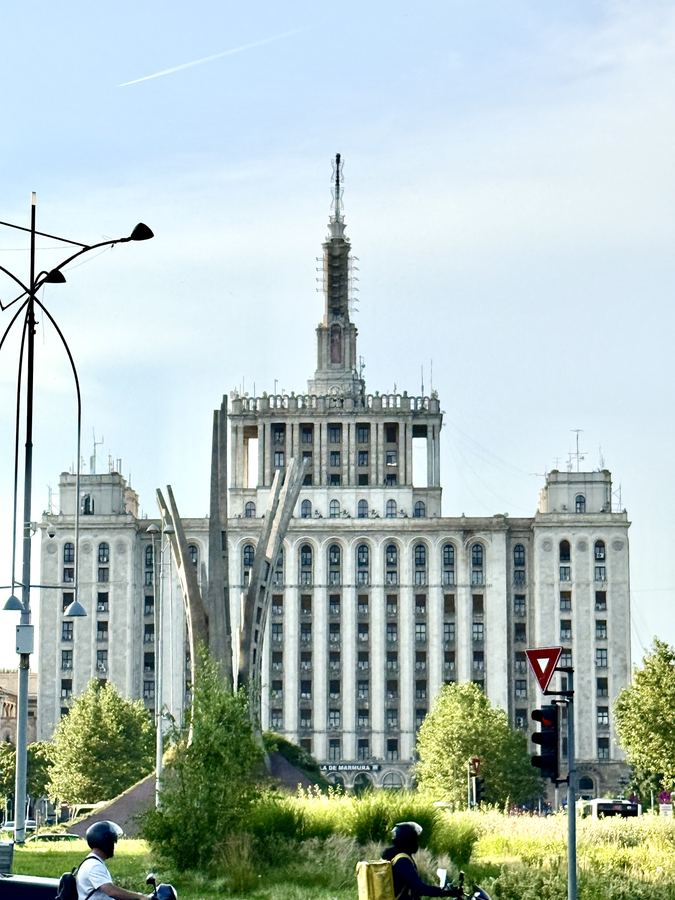
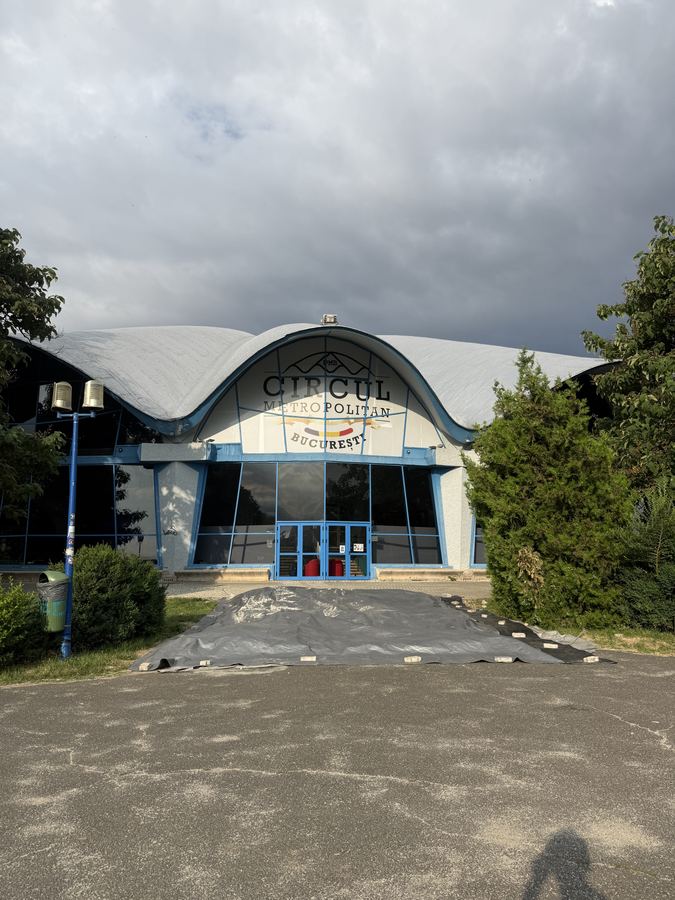
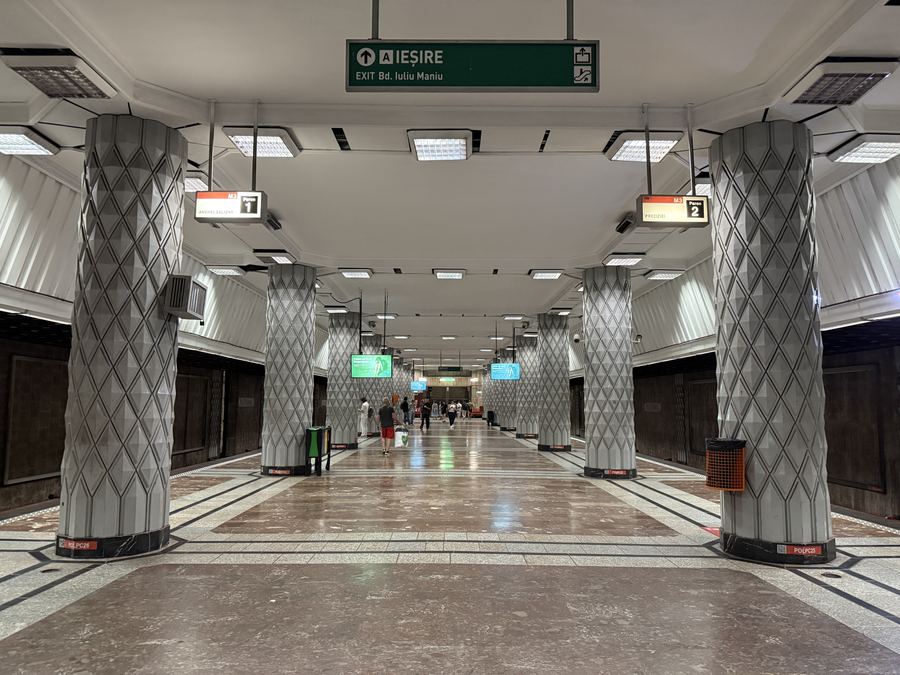
At the end of that boulevard stands the Palace of the Parliament: the heaviest building on earth, the largest administrative building after the Pentagon, and still unfinished when the regime fell in 1989. But Bucharest's socialist architecture is not only that. The modernism of the 1960s — Tehnoimport, the Politehnica metro station, the state circus — belongs to a briefer and more open period, before systematisation began.
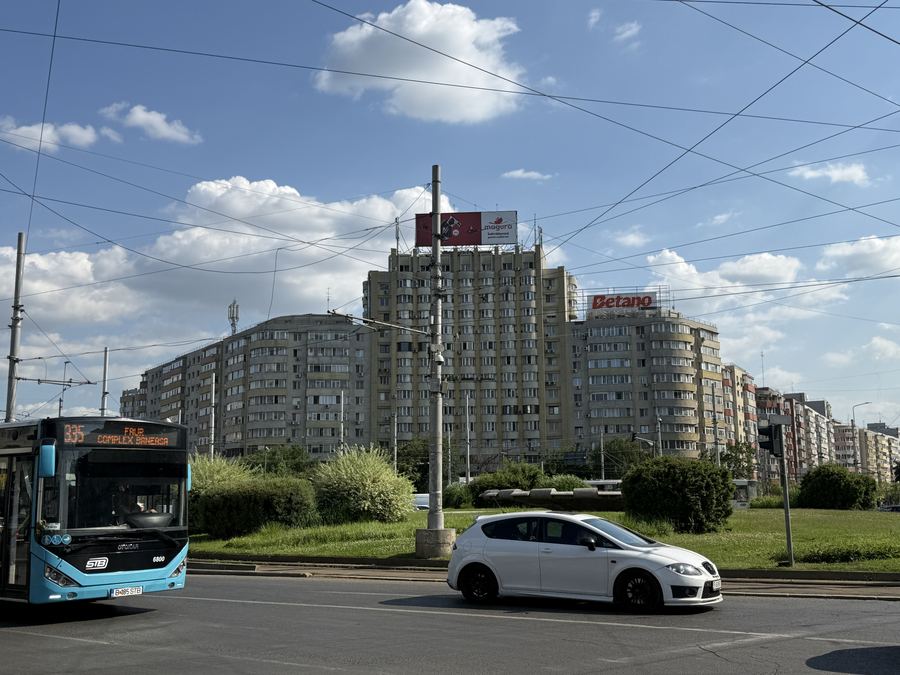
Communist architecture in Bucharest draws a steady stream of dark tourism to the Palace of the Parliament, but it is the surrounding Civic Centre — the blocks, the boulevard, the displaced churches — where the programme is easiest to read, and it is almost always empty.
01
02
03
04
05
06
07
08
09
10
11
12