Serbia · Socialist Yugoslavia
BELGRADEBrutalist Architecture · 1960–1985
Scroll ↓
Serbia · Socialist Yugoslavia
Scroll ↓
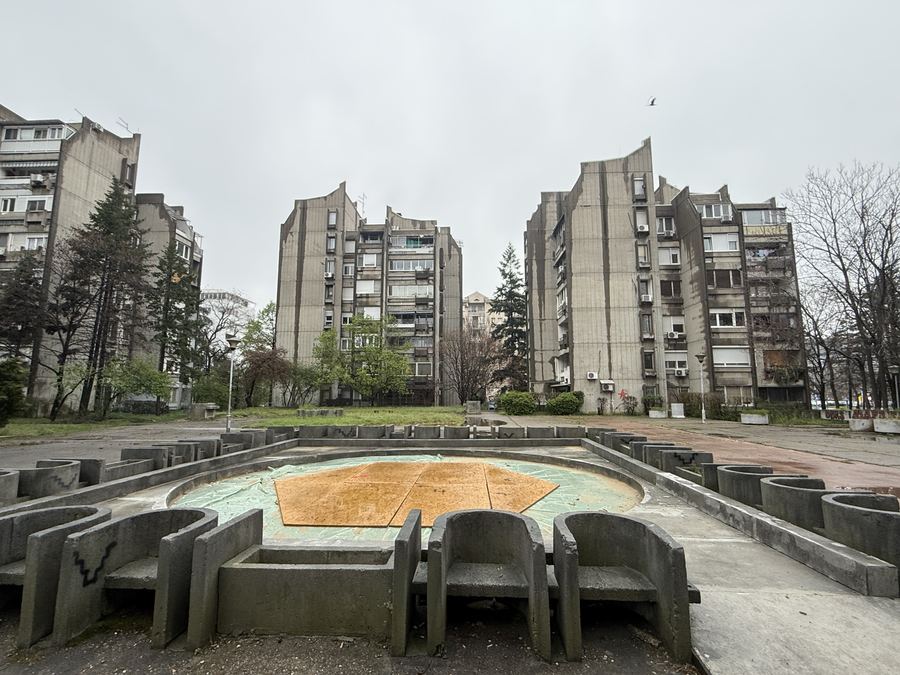
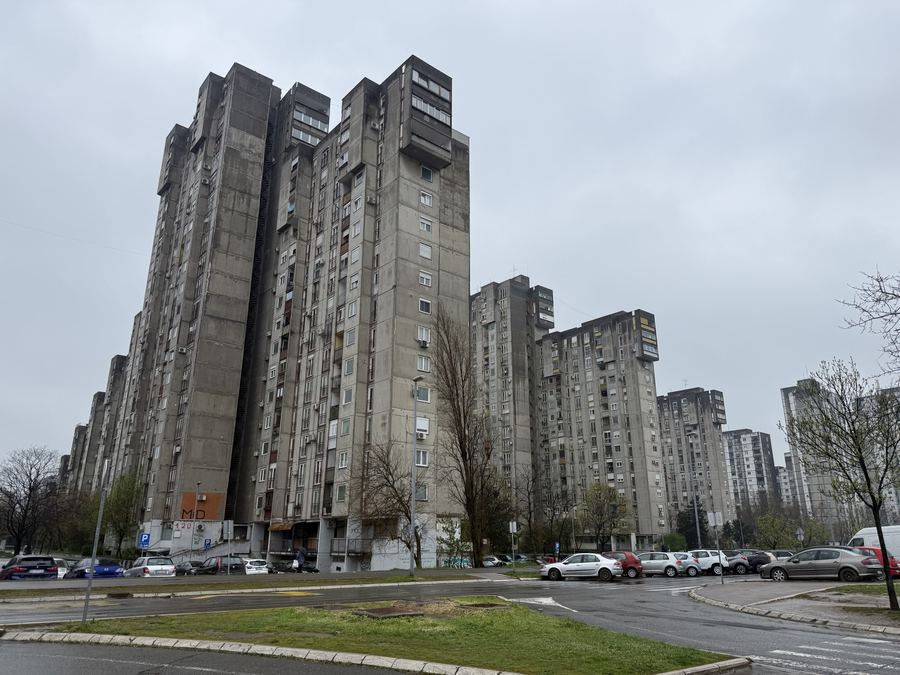
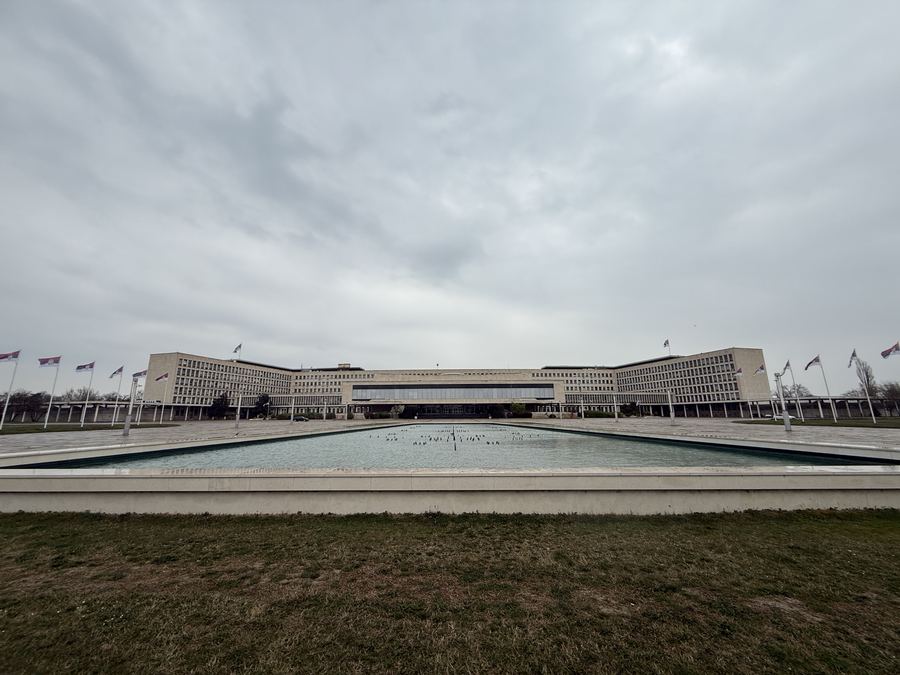
New Belgrade was built from nothing. On the marshland between the Sava and the Danube, on the empty ground dividing two older cities, socialist Yugoslavia raised an entirely new capital district from the 1950s onward: superblocks numbered rather than named, boulevards wide enough for parades, concrete towers standing in open green space. The scale was deliberate. This was meant to be the physical form of a new society.
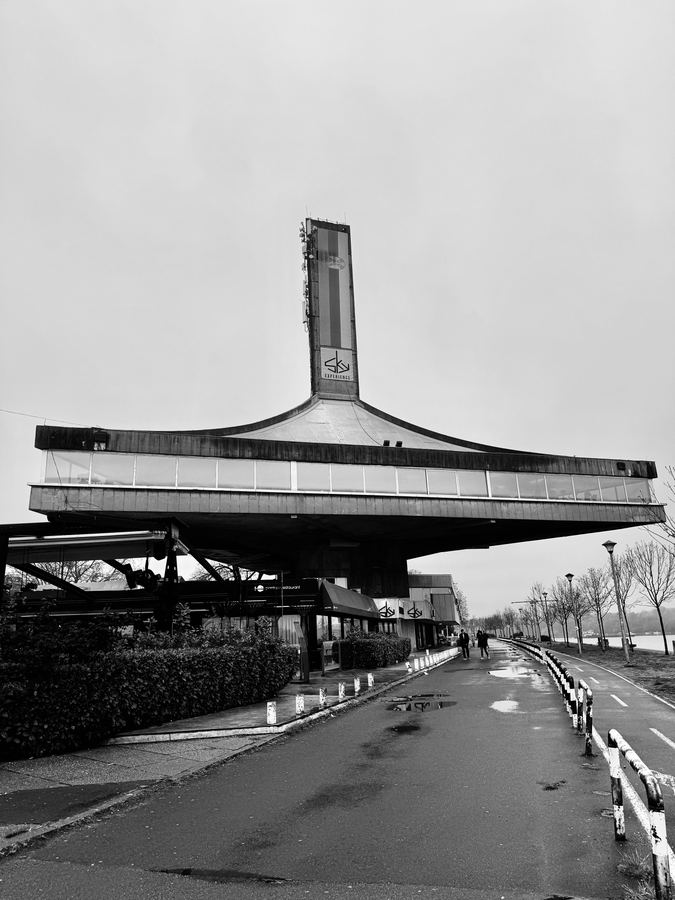
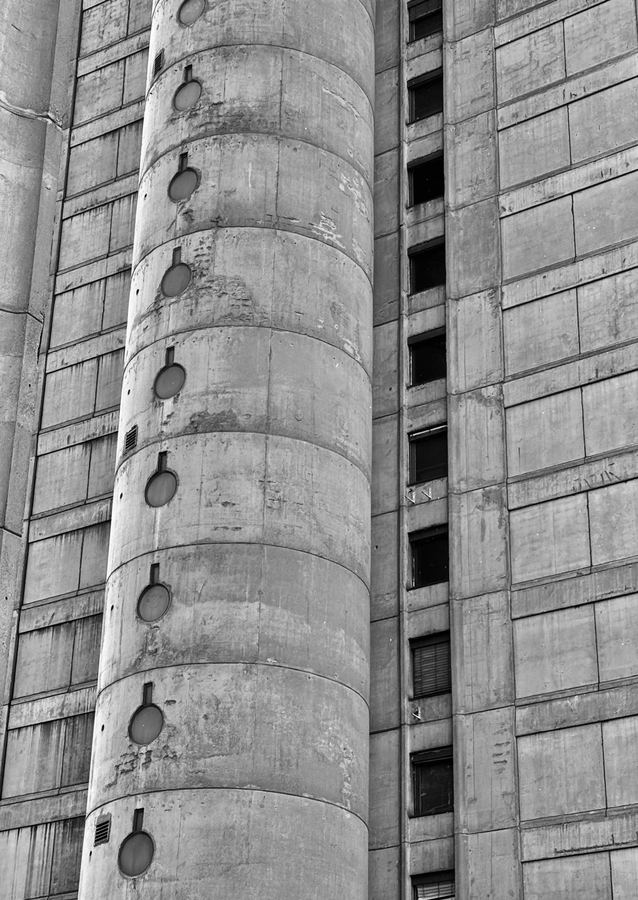
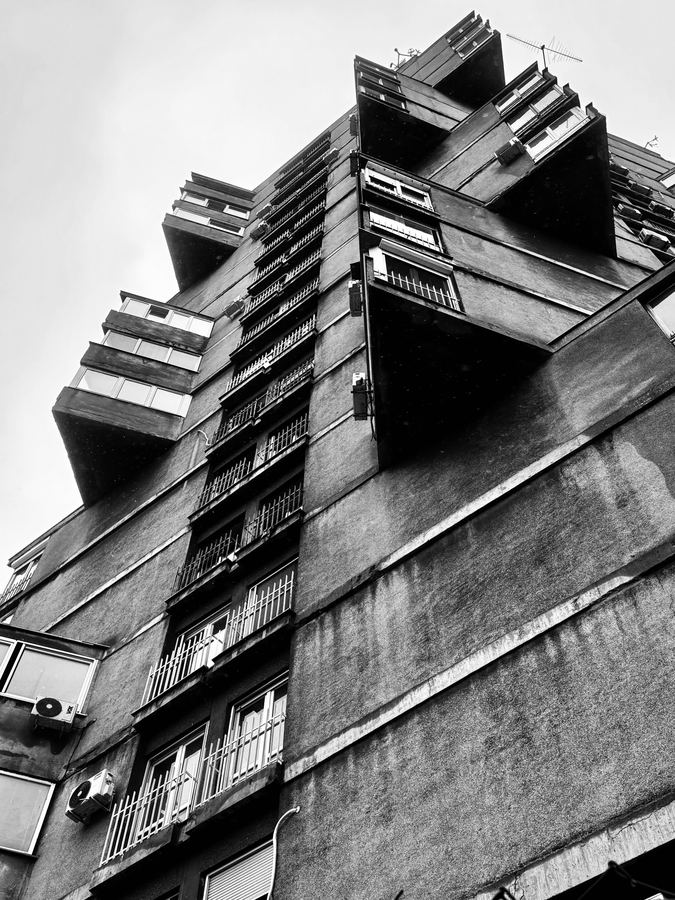
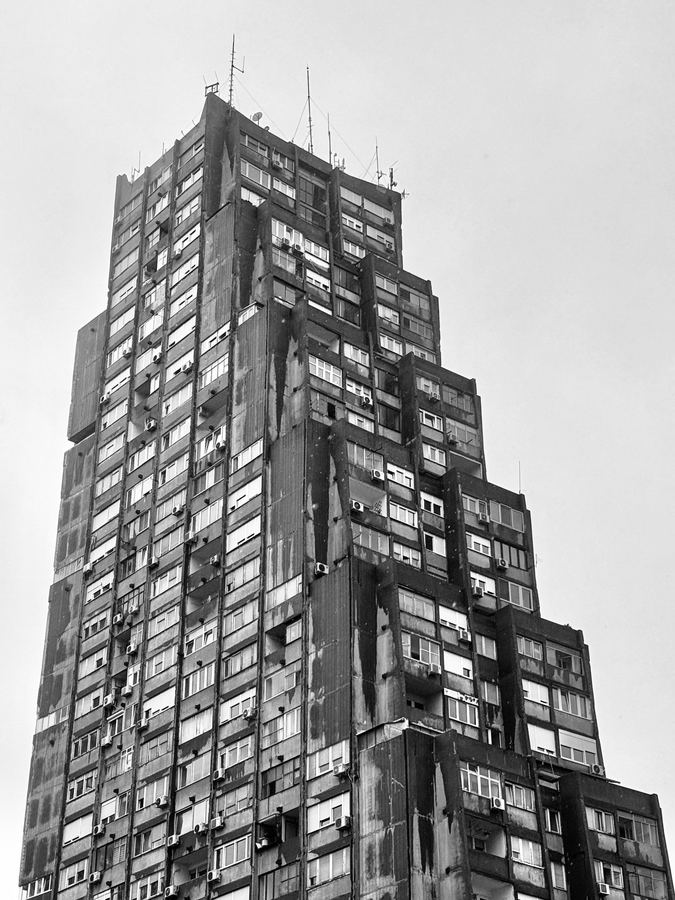
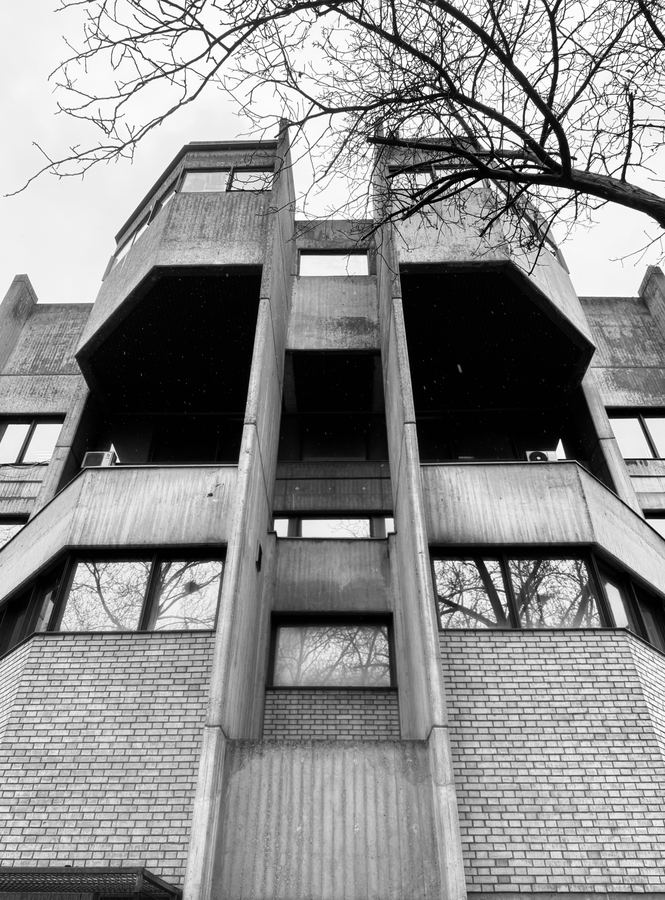
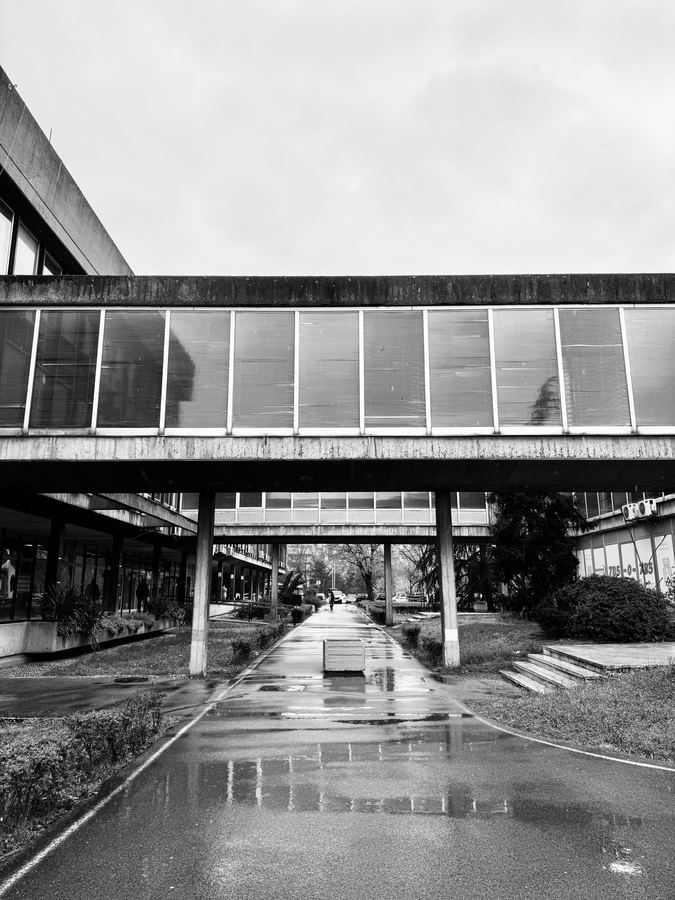
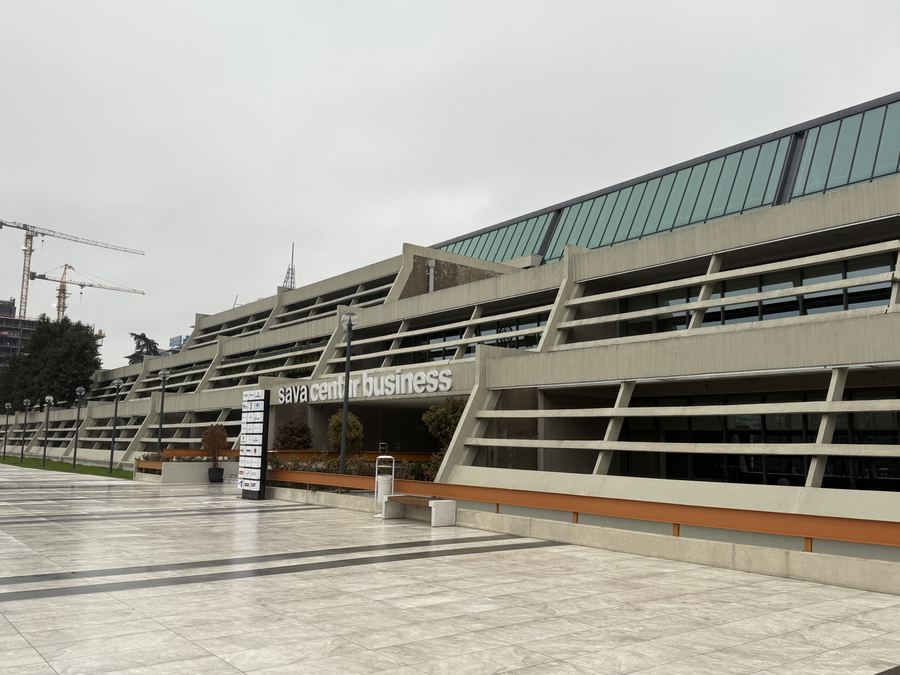
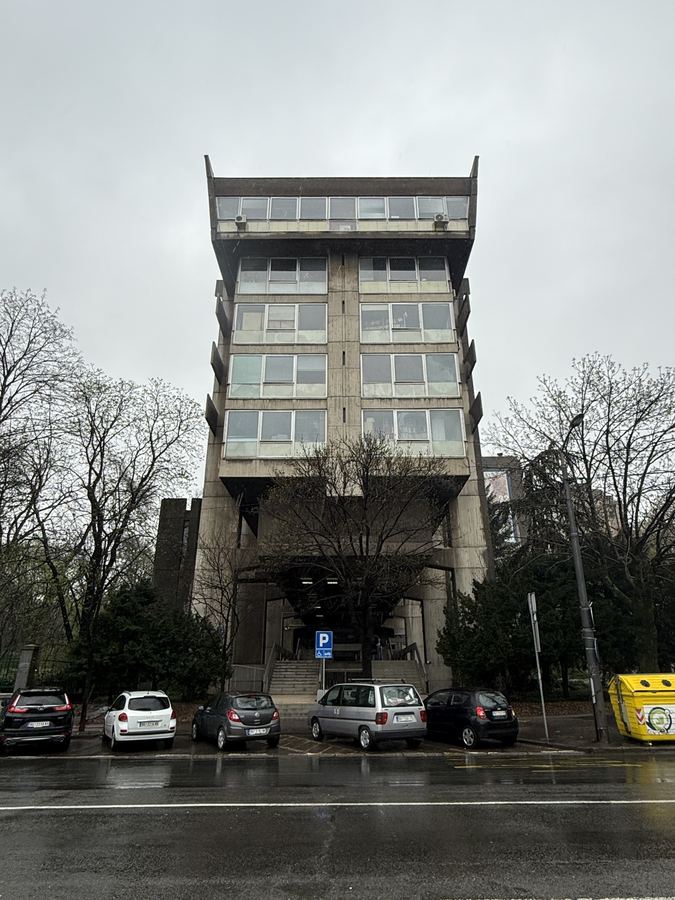
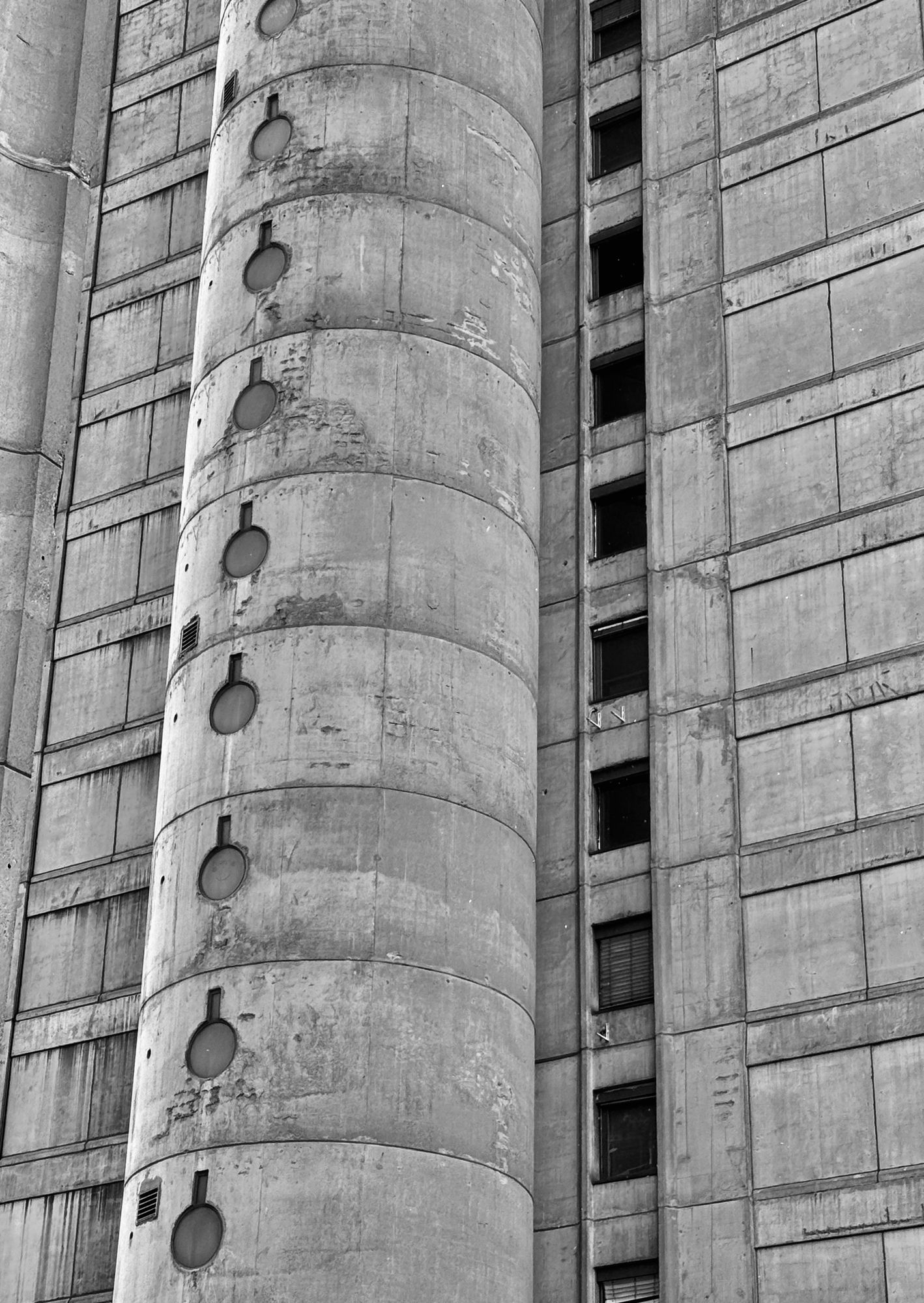
Yugoslav modernism was never Soviet. After the 1948 split with Stalin and the turn toward the Non-Aligned Movement, architects here worked with a freedom their counterparts in the Eastern Bloc did not have — travelling, publishing, entering international competitions. What they produced at Genex Tower, the Eastern City Gates and the Sava Centre is more inventive and more sculptural than anything built in Moscow at the same time. Much of it is now protected. Much of it is also crumbling.
For anyone planning architecture tourism in Serbia, New Belgrade is walkable in a day: Blocks 22 and 23, the Sava Centre and the Genex Tower sit within a few tram stops of one another. Everything here was photographed on foot, in ordinary weather, without permits or drones.