Germany · DDR Modernism & Cold War
BERLINSocialist Architecture · 1950–1990 · East & West
Scroll ↓
Germany · DDR Modernism & Cold War
Scroll ↓
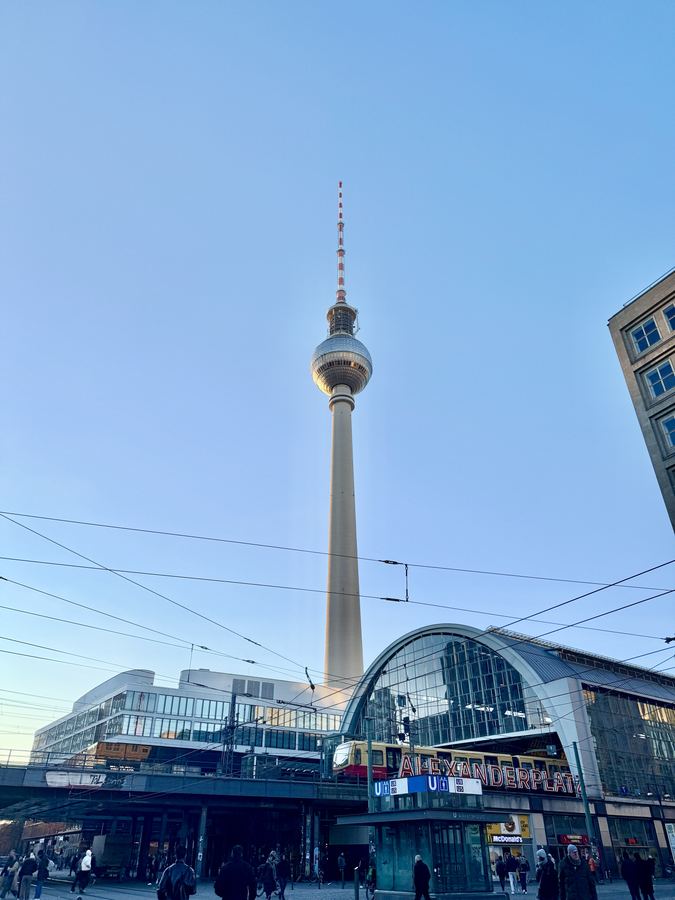
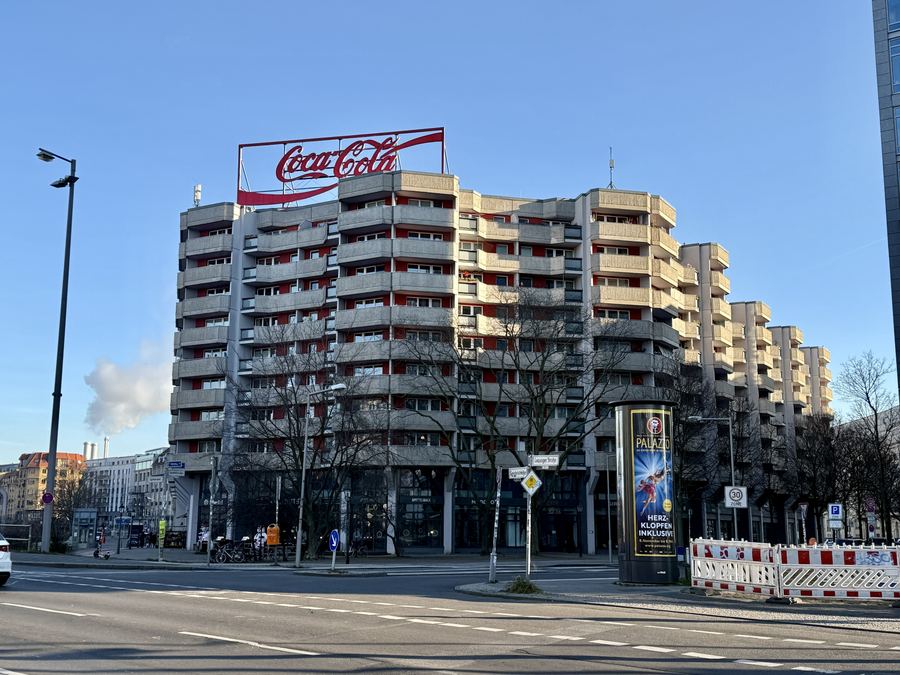
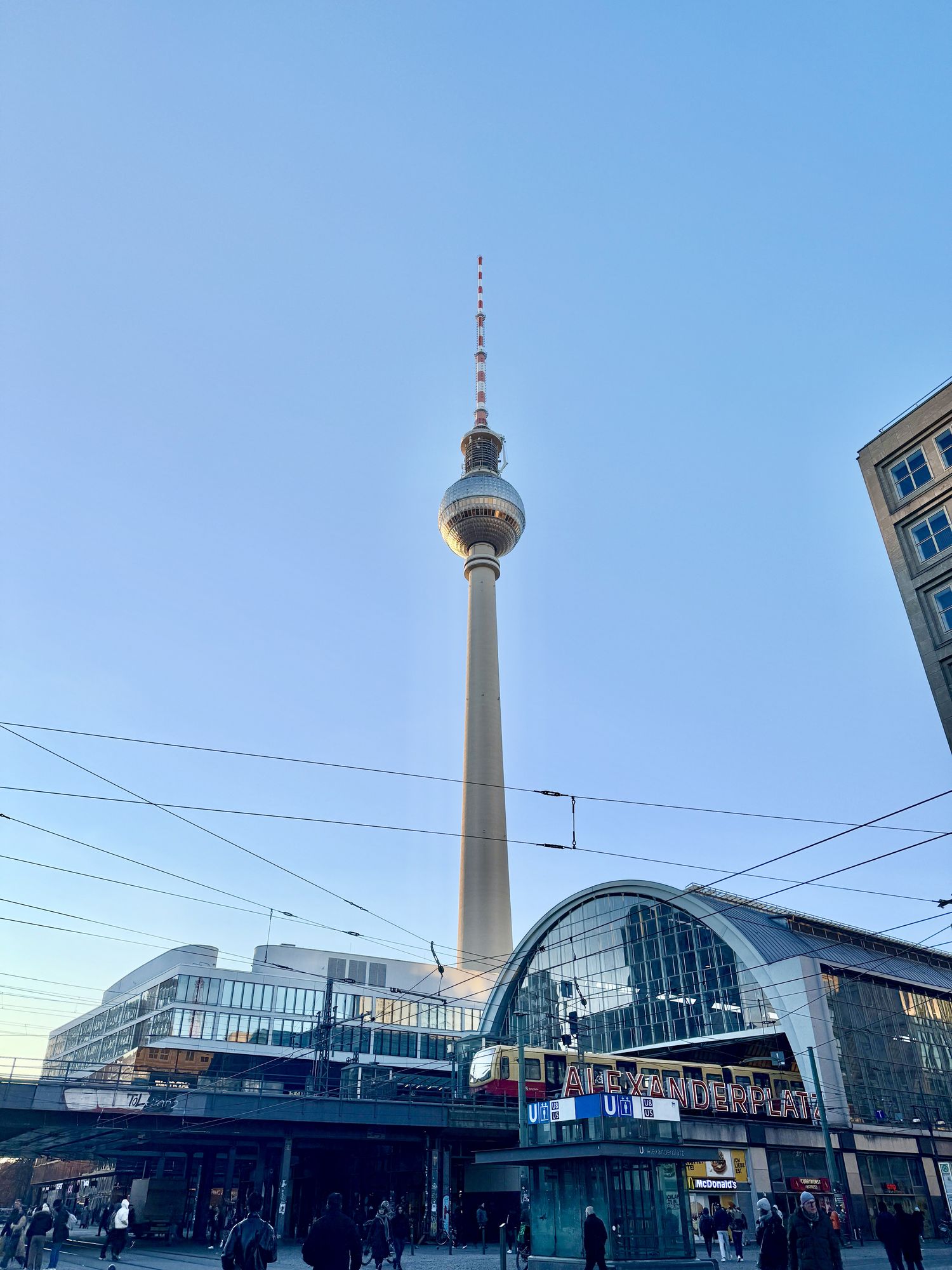
No city wears the architecture of the Cold War as plainly as Berlin. For forty years two systems built in the same place, in full view of each other, each treating construction as an argument. East Berlin answered with Karl-Marx-Allee — Stalinist workers' palaces faced in ceramic tile — and then, after 1960, with the glass and prefabricated concrete of Alexanderplatz. West Berlin answered with the Hansaviertel and the modernism of the Interbau exhibition.
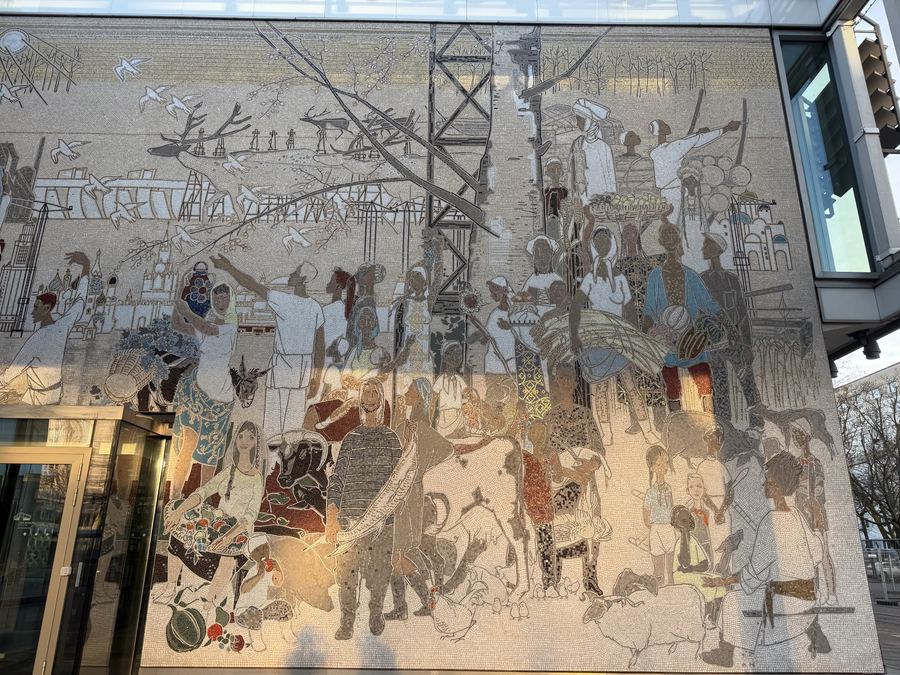
The Fernsehturm, completed in 1969 and still the tallest structure in Germany, was built to be visible from the other side. Around it stand the Haus des Lehrers with its wraparound frieze, the Haus des Reisens, and the Plattenbau housing that gave the DDR its everyday shape. Since reunification much has been demolished, renovated or quietly rebranded. What survives is the record of a state that no longer exists.
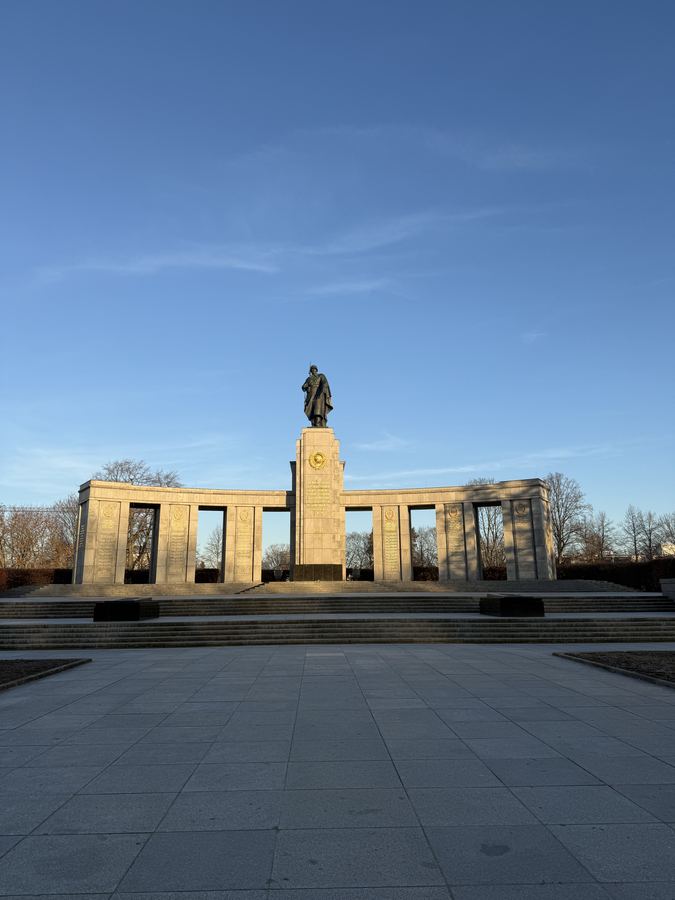
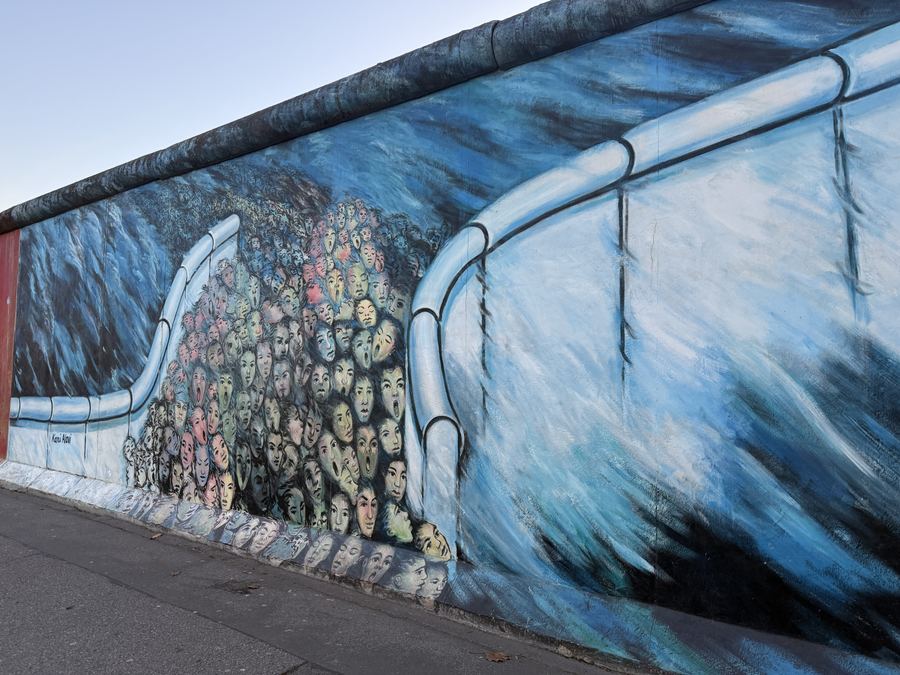
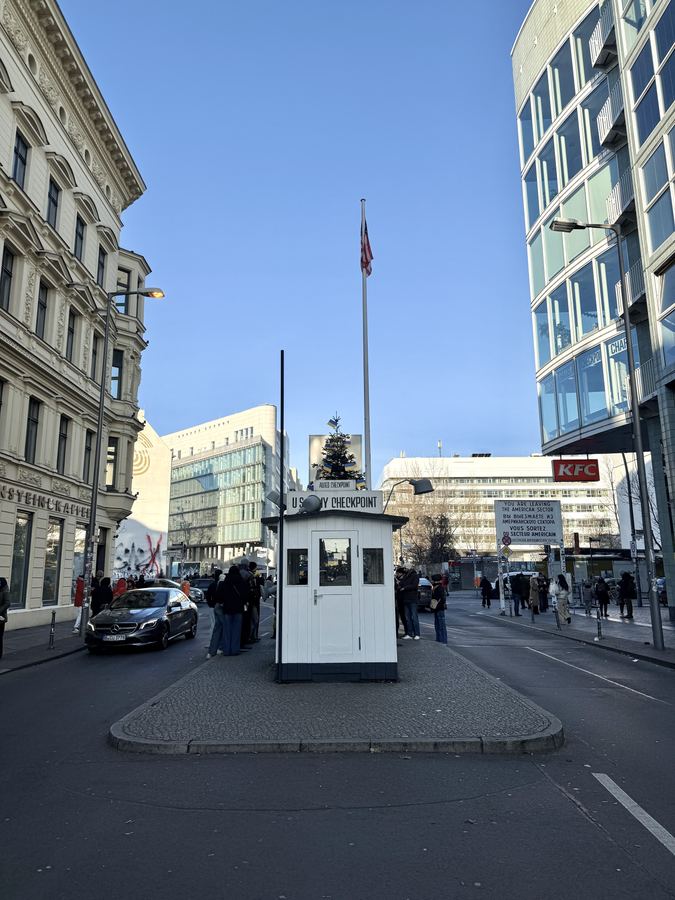
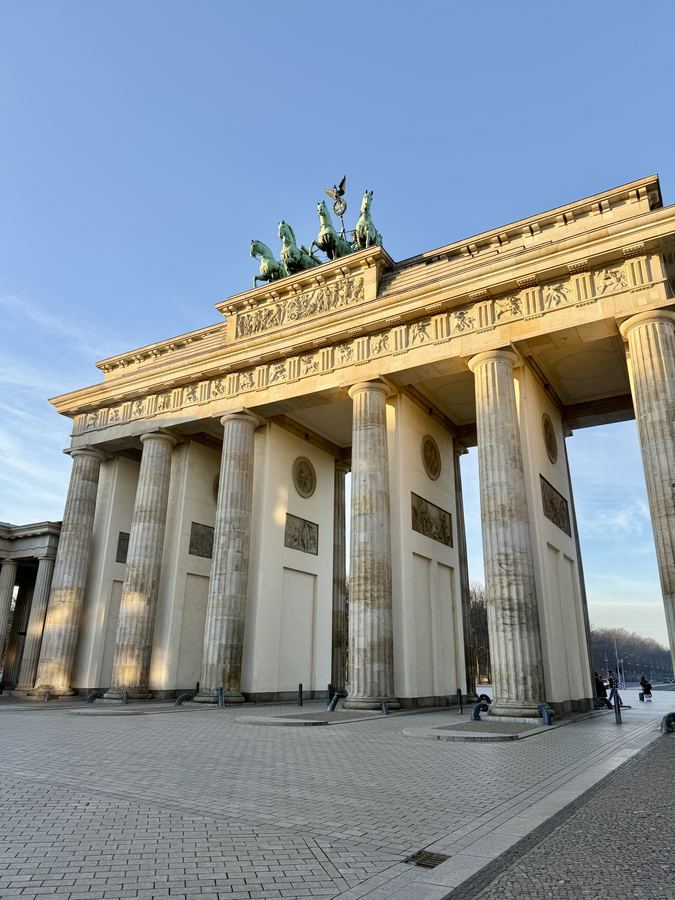
Berlin is the most accessible city in Europe for both architecture tourism and dark tourism: the Wall memorial, Checkpoint Charlie, the Soviet War Memorial in Treptower Park and the DDR modernism of Alexanderplatz are all reachable on a single day's public transport ticket.